Artsakh: Lost Home
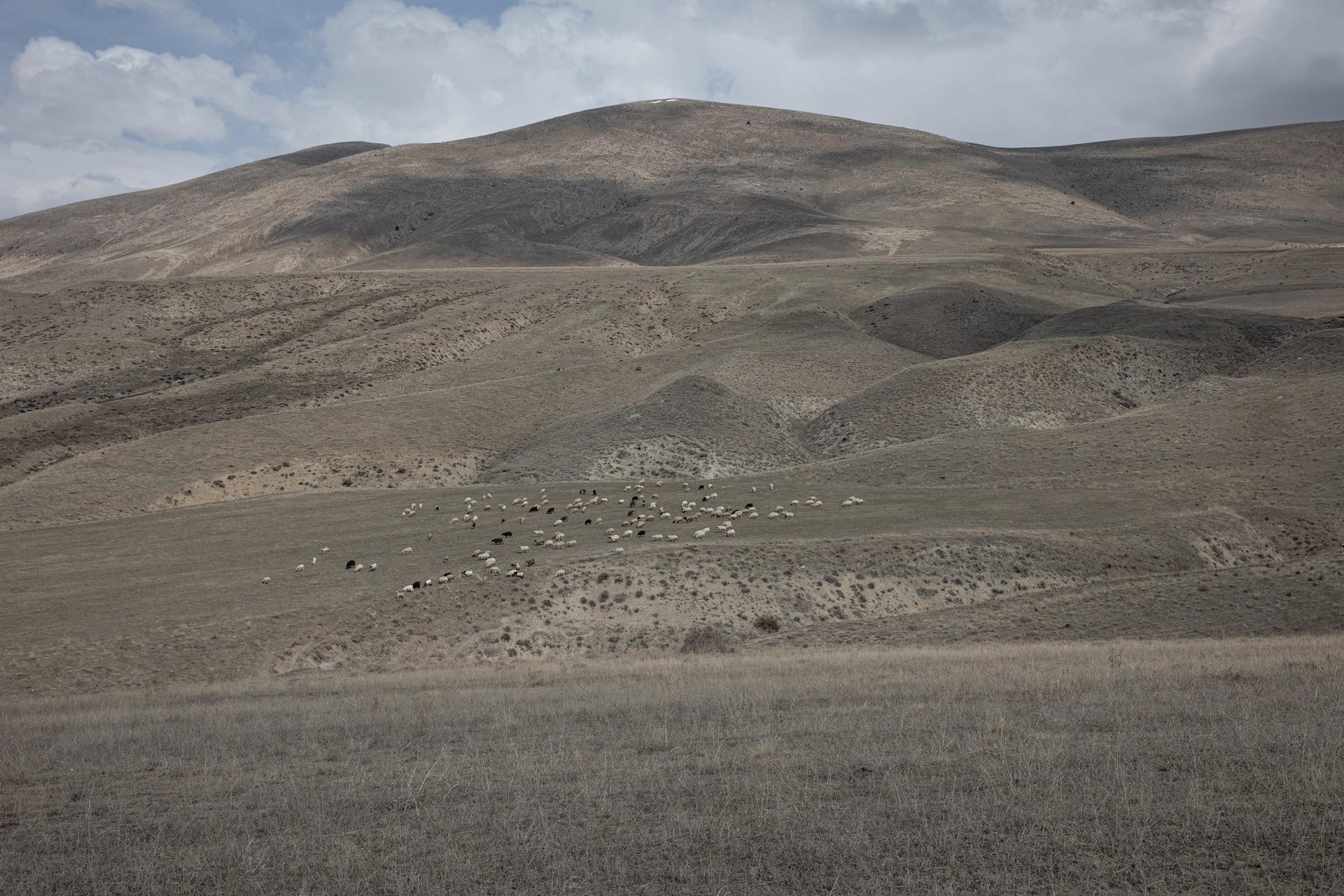
Nagorno-Karabakh is often translated as “black garden.” It is a fertile region on the border between Armenia and Azerbaijan, over which a conflict between the peoples of these countries has continued for decades.
In 1991, Nagorno-Karabakh declared itself an independent republic. It was populated predominantly by Armenians and maintained open borders and close ties with Armenia. Armenians call it Artsakh. However, the republic was never recognized by the international community, officially remained part of Azerbaijan, and armed clashes regularly occurred along its borders.
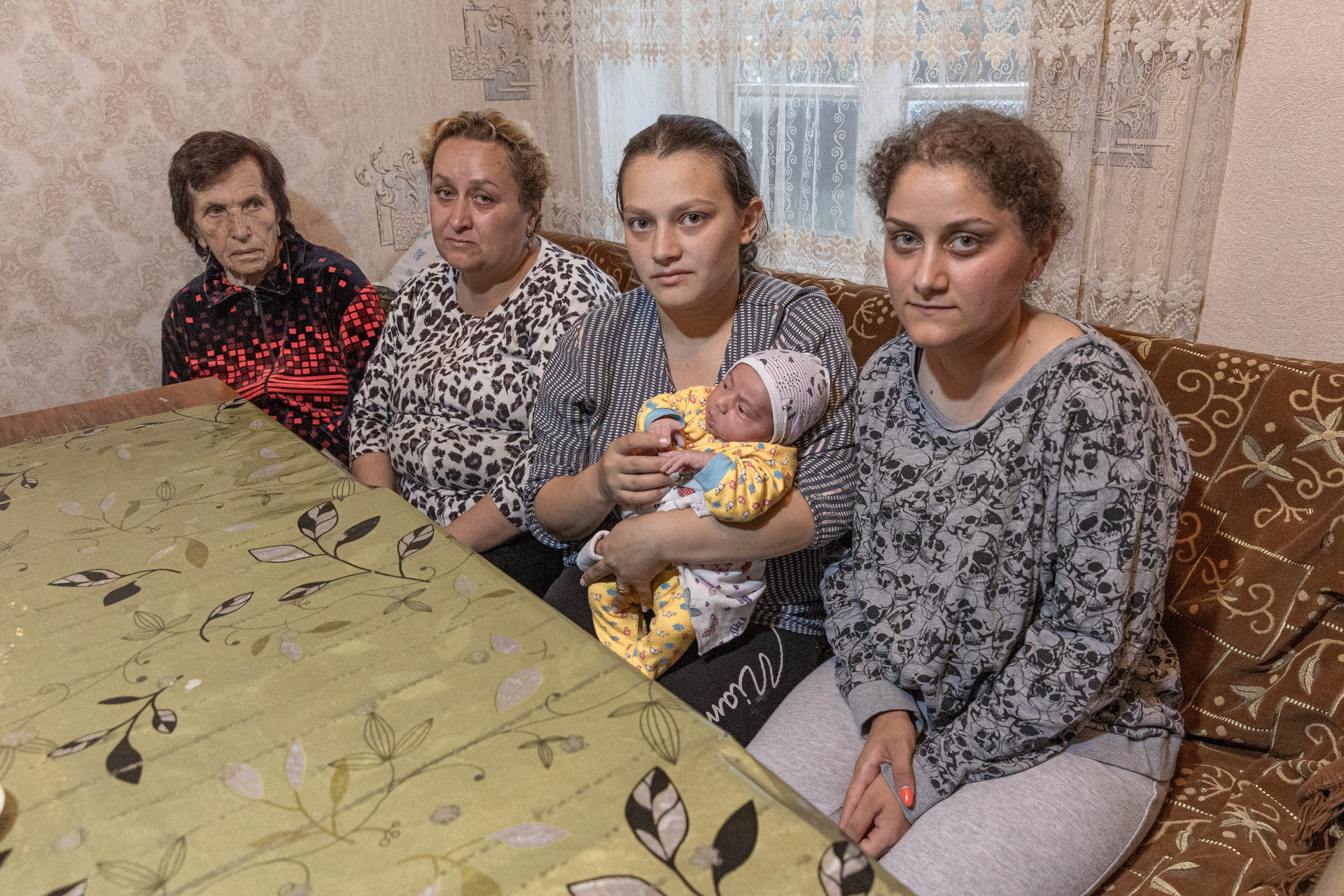
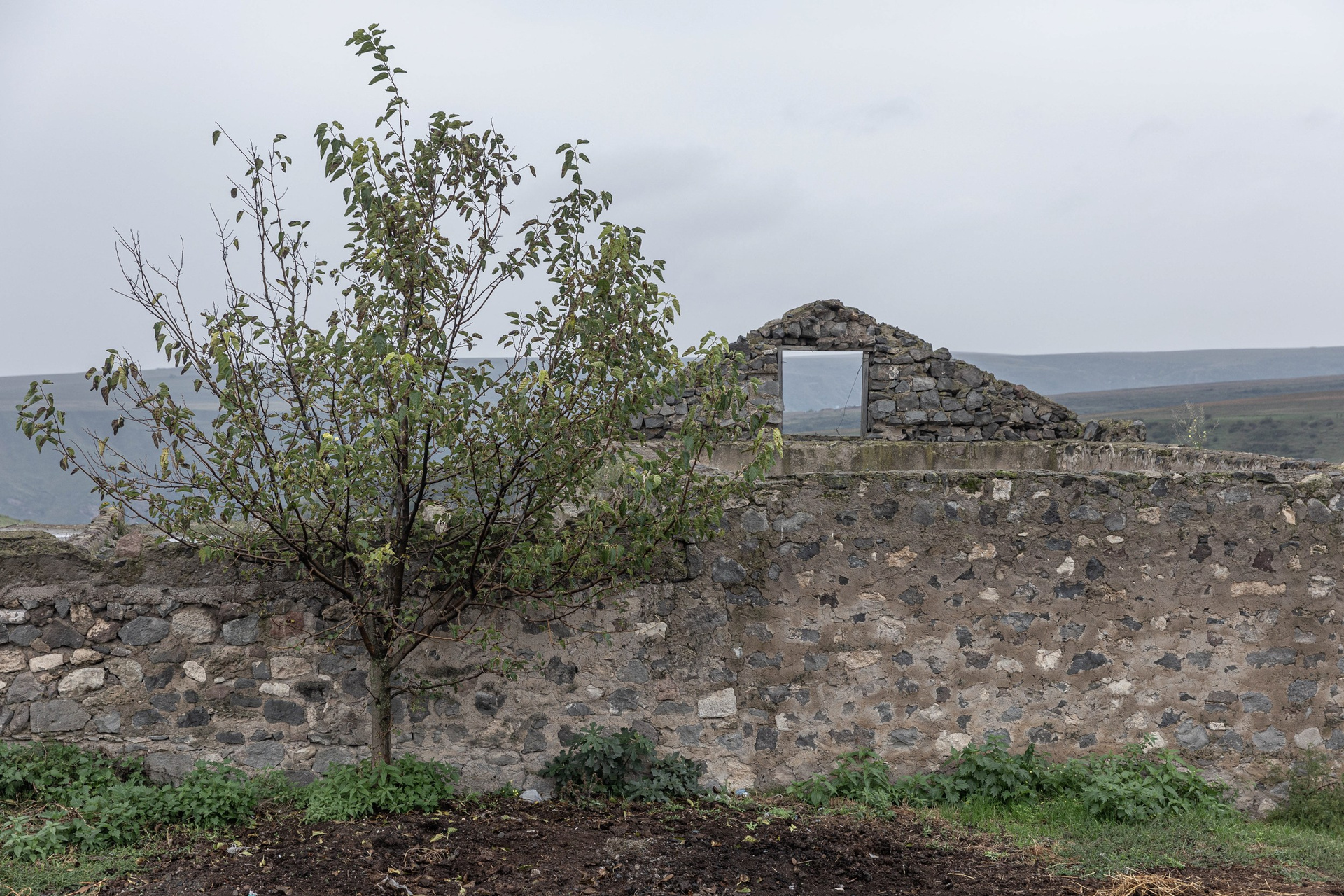
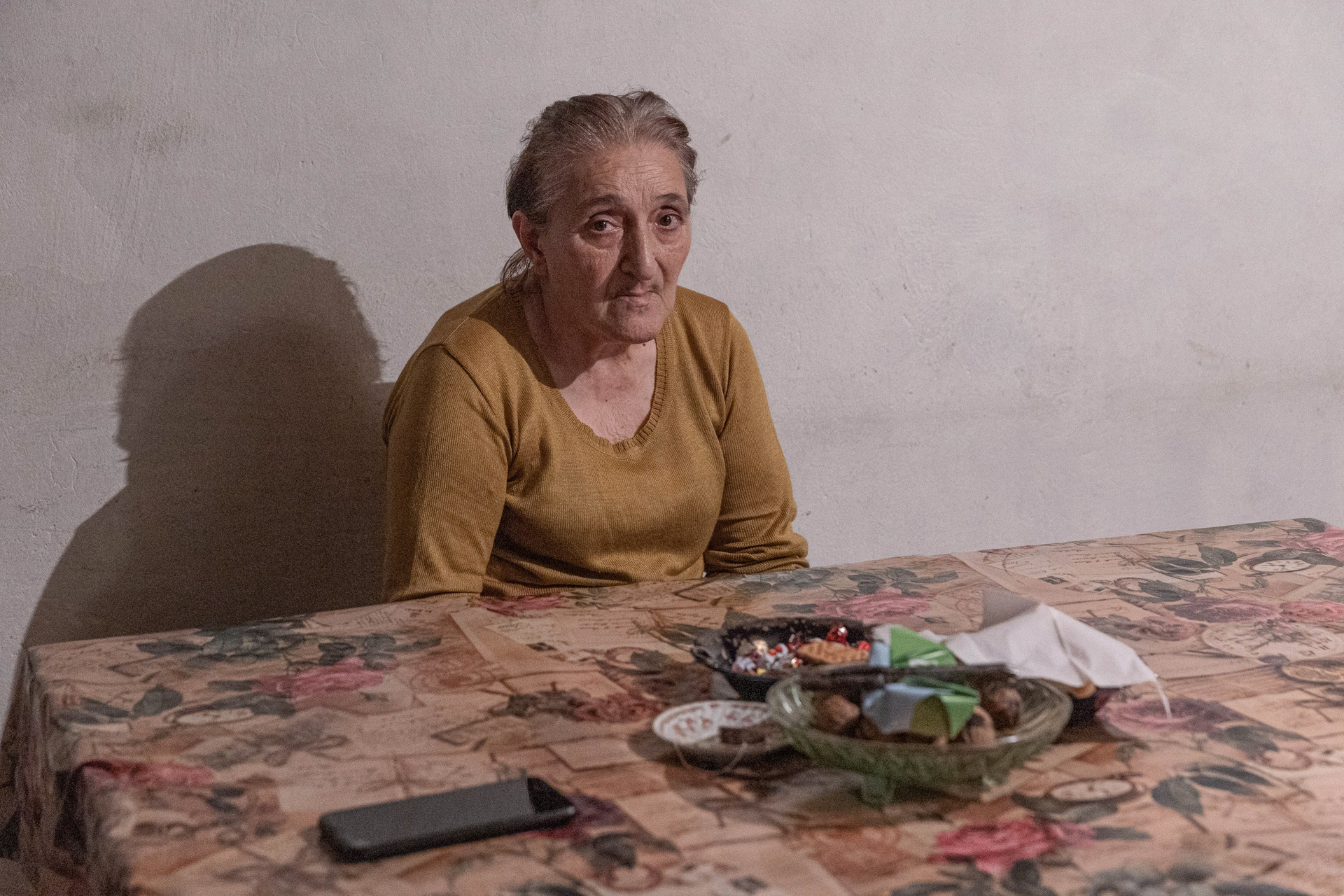
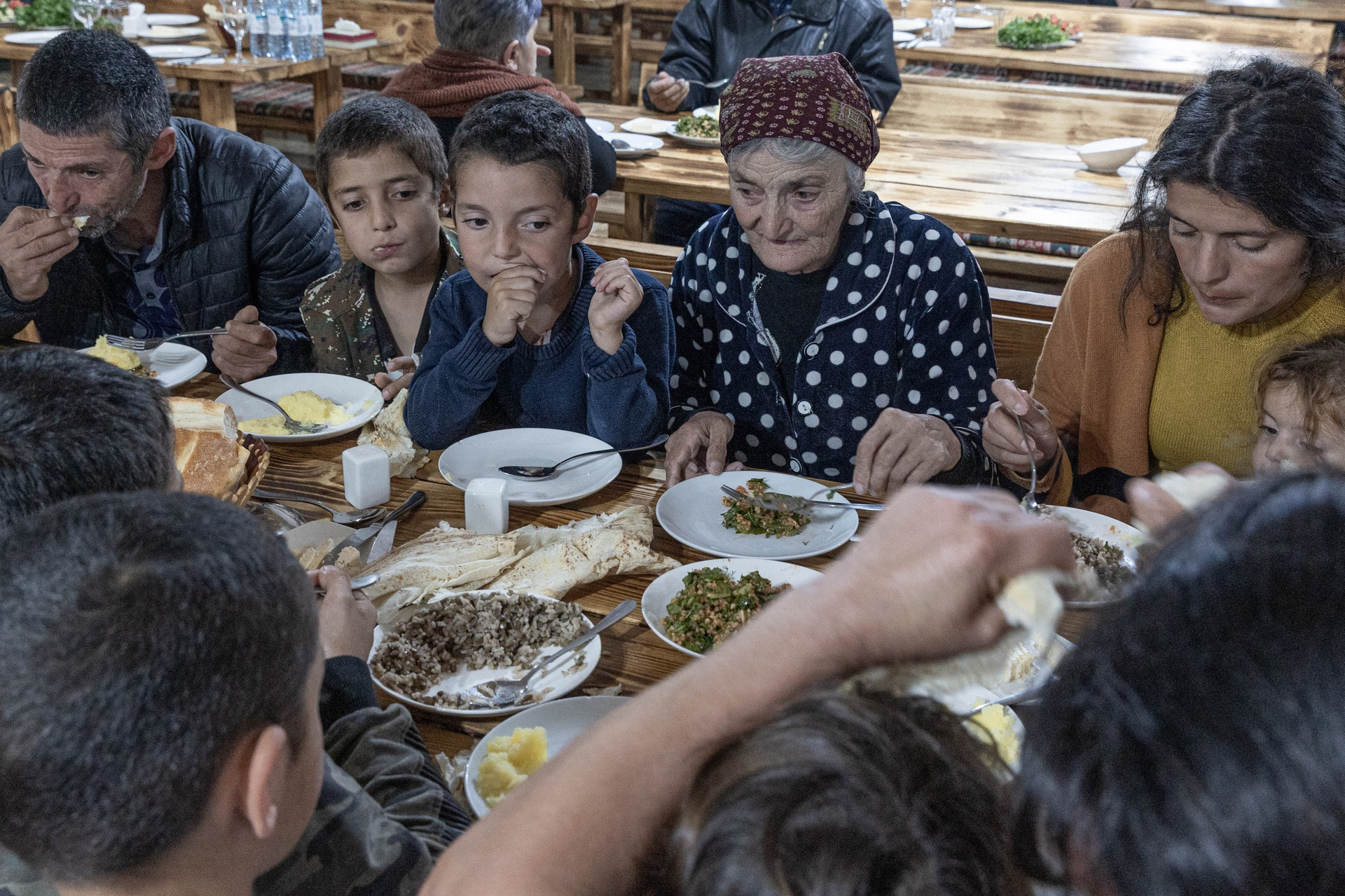
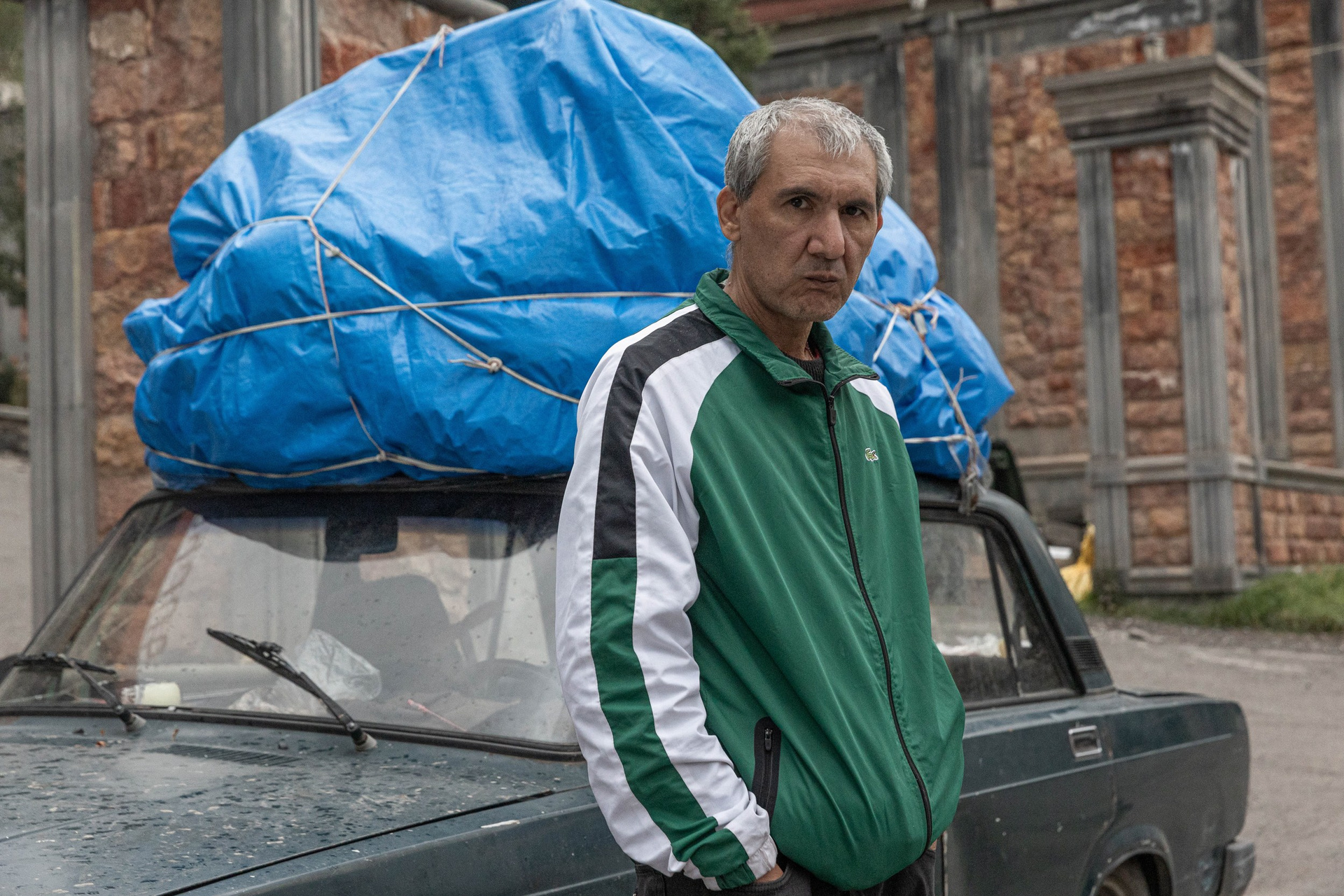
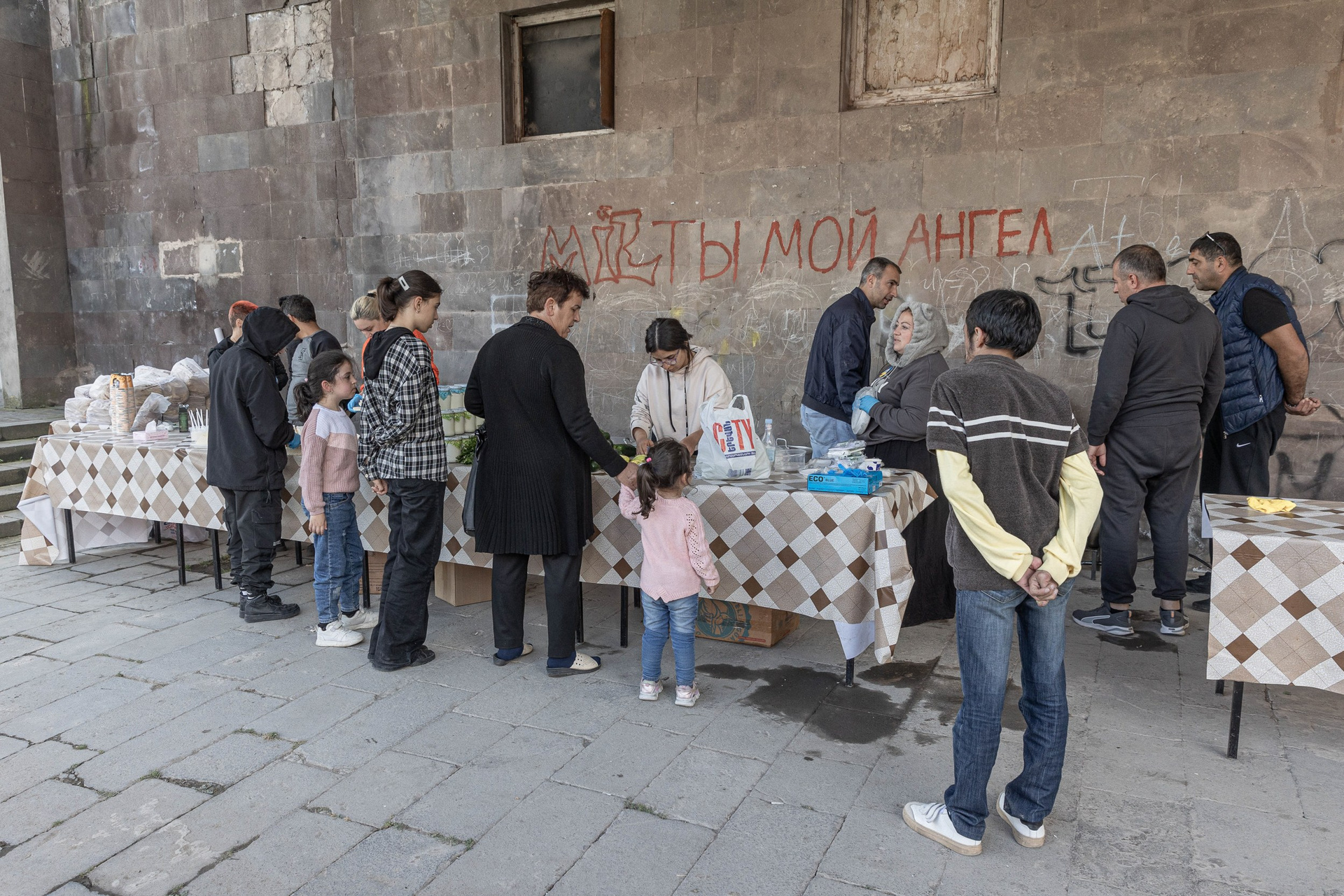
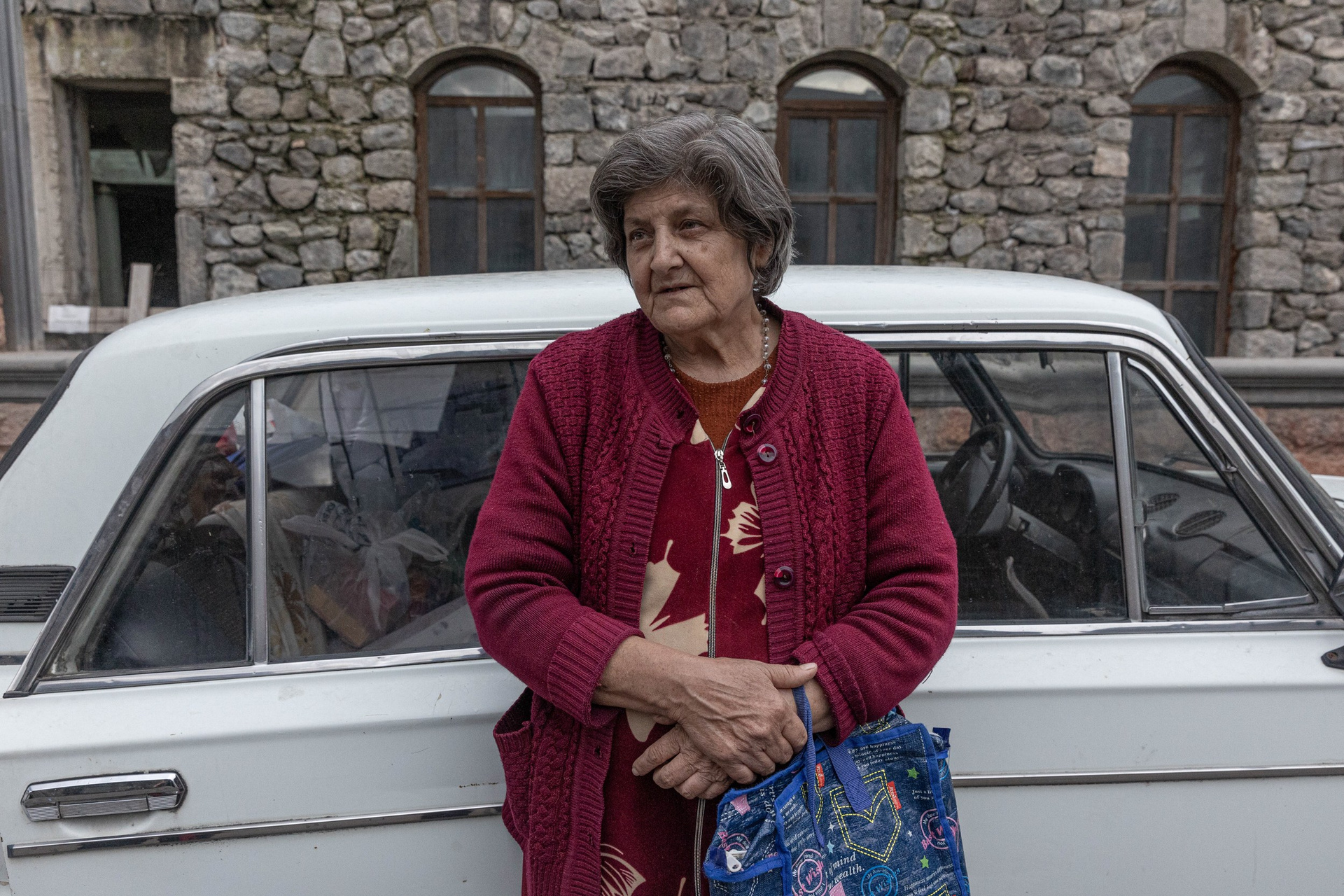
A new phase of the conflict unfolded in 2020. As a result of the war, Azerbaijan took control of part of Nagorno-Karabakh’s territory, leaving the unrecognized republic with only the area around its capital, Stepanakert, and the Lachin Corridor. In September 2023, Azerbaijan established full control over the territory, after which the republic ceased to exist. Within a matter of days, more than 100,000 Armenians of Nagorno-Karabakh were forced to leave their homes. They fled to Armenia, leaving all their belongings behind.
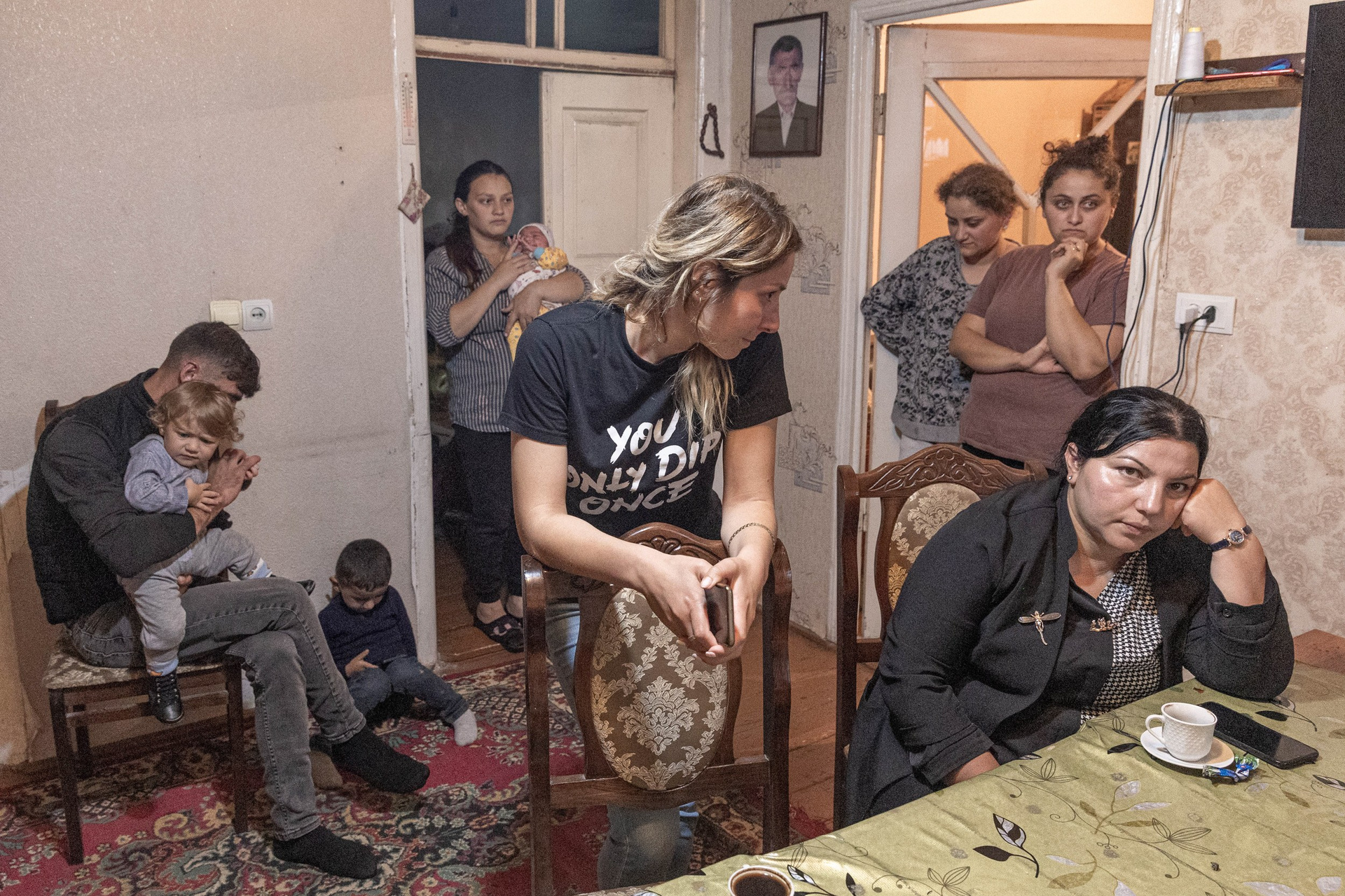
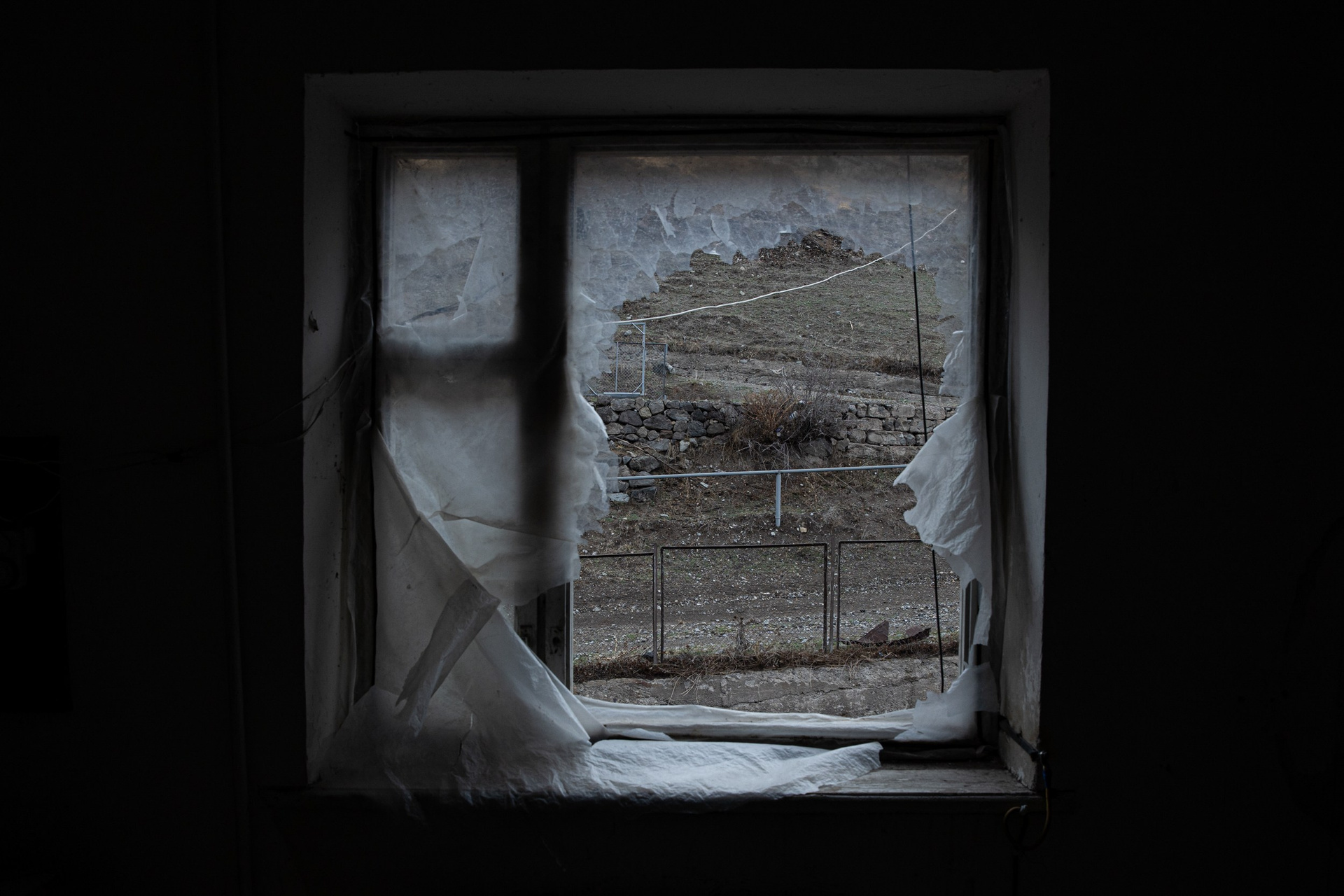
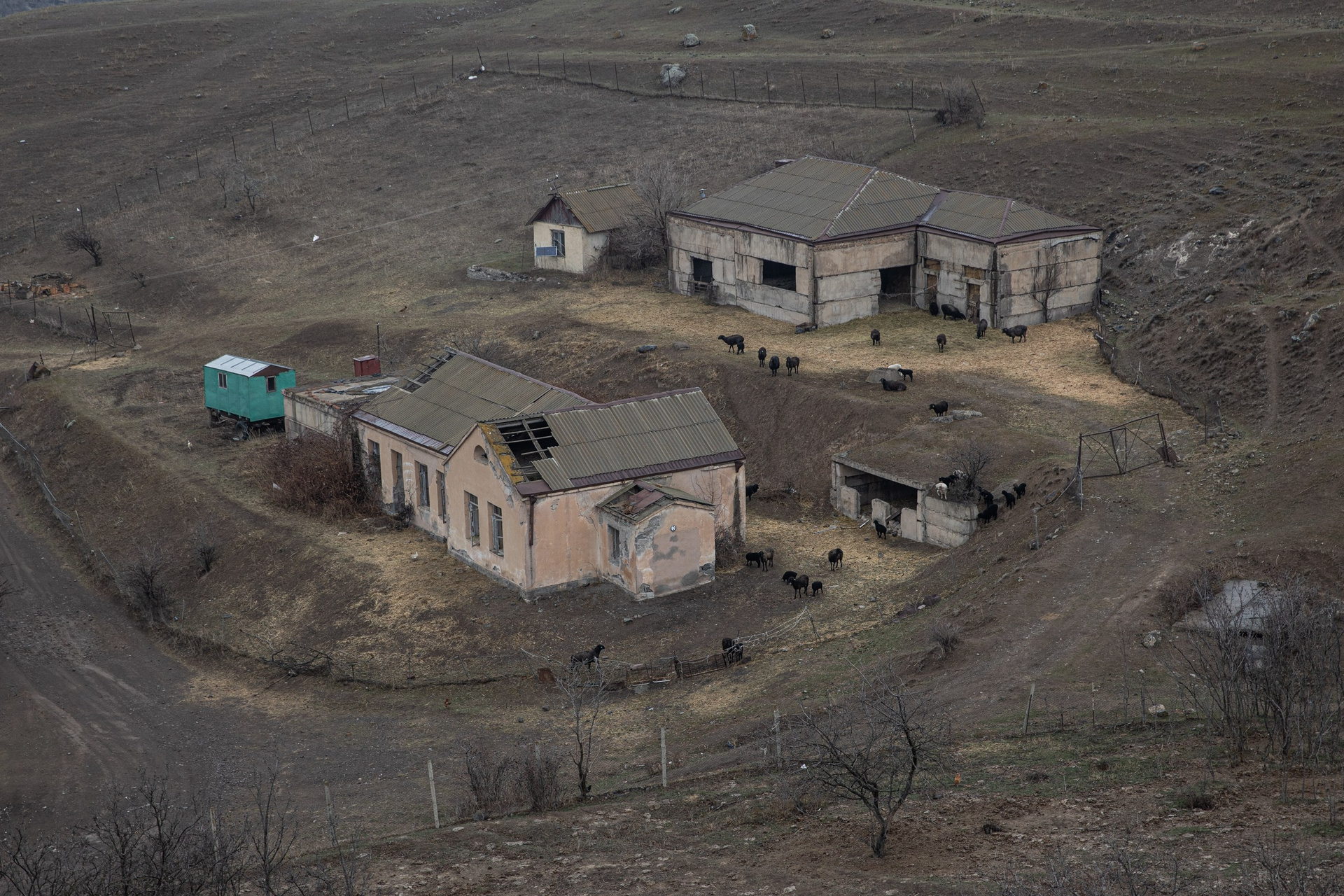
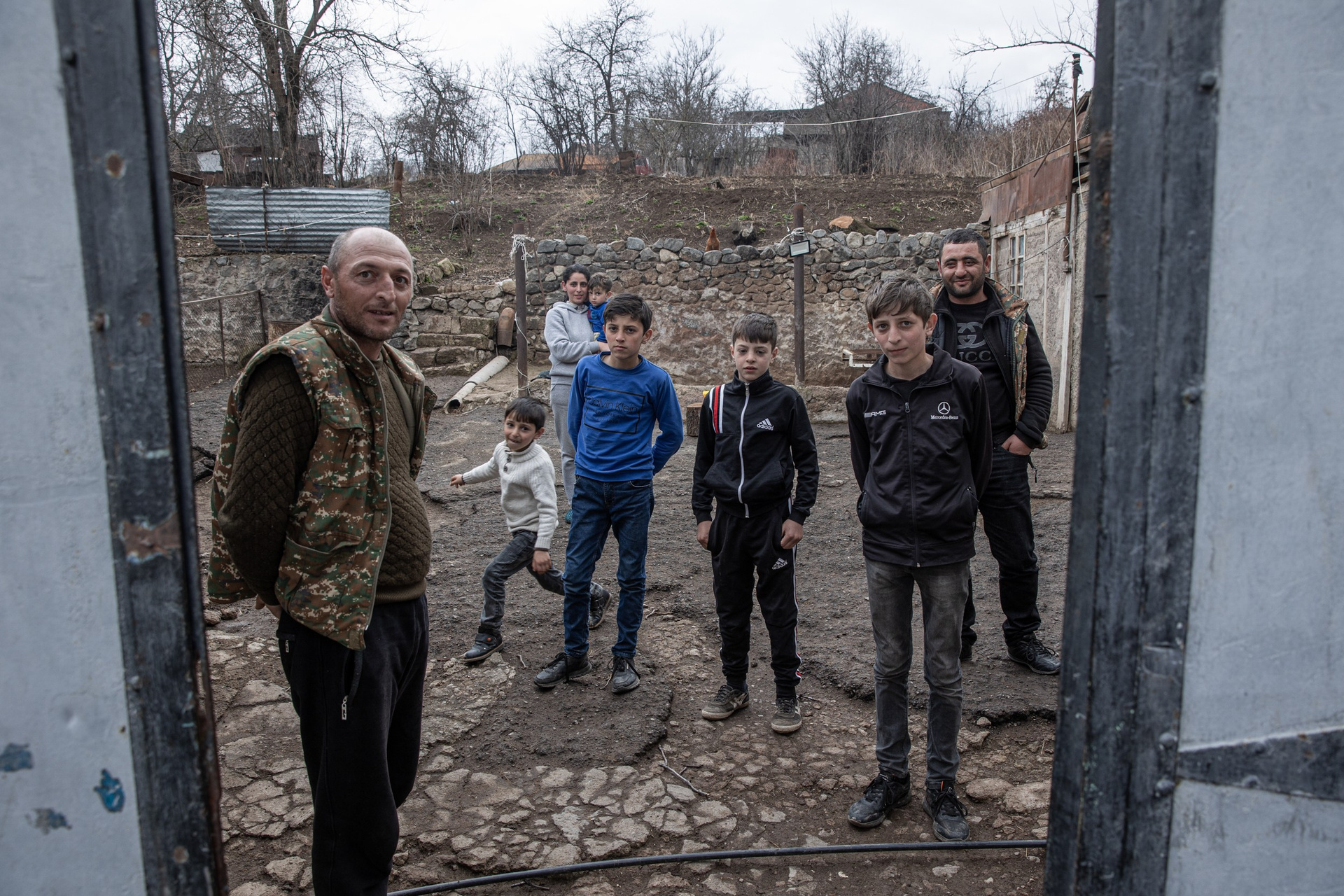
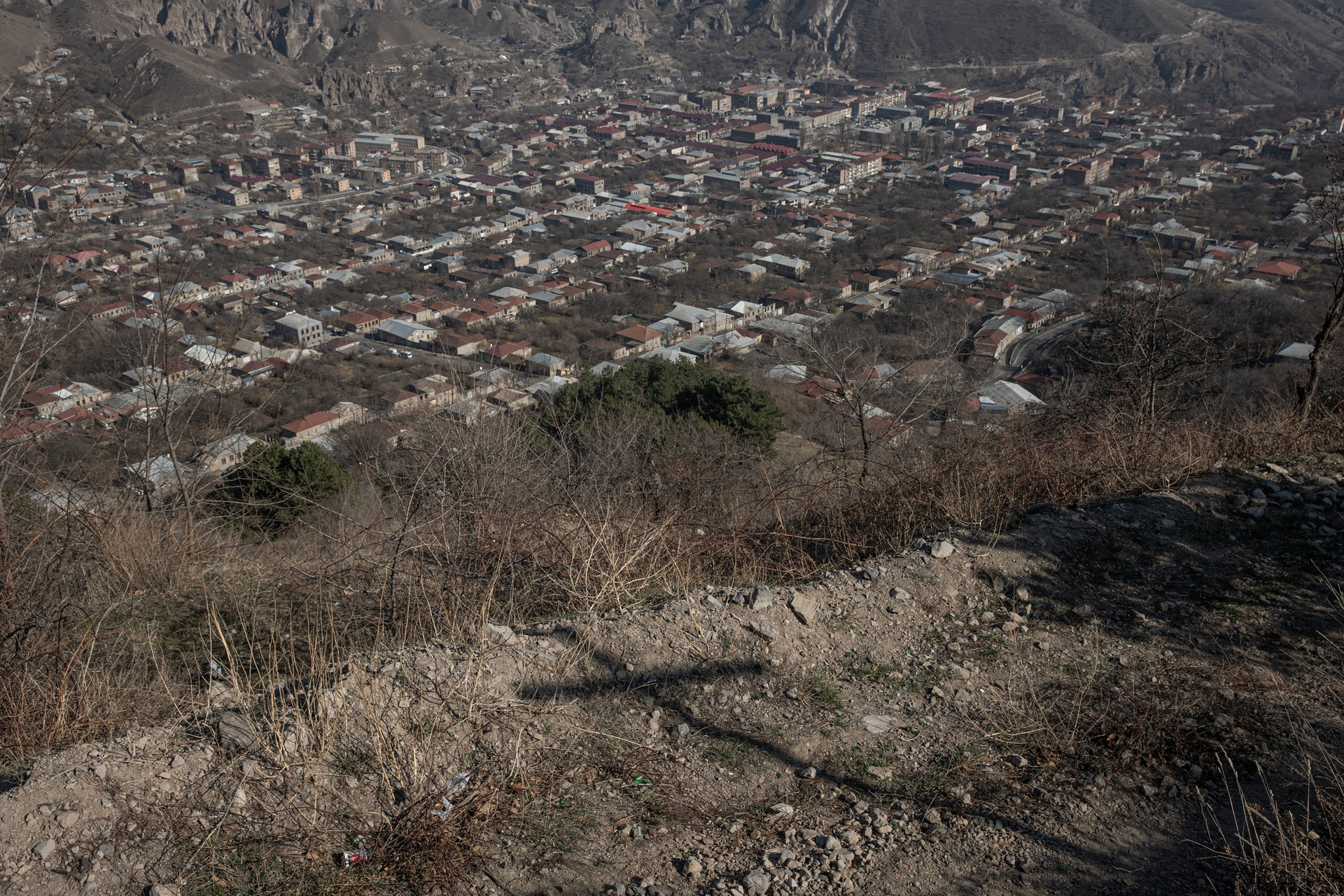
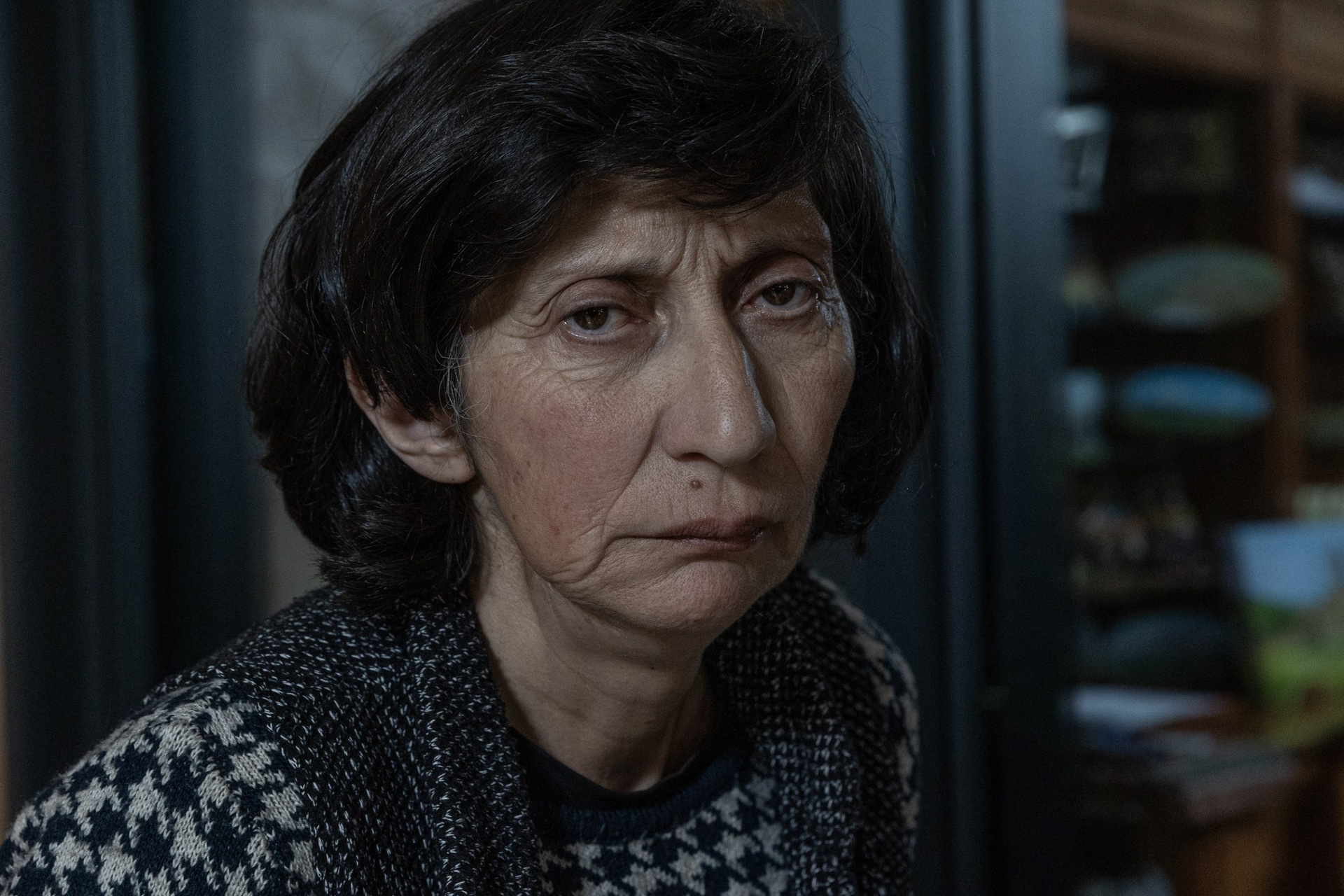
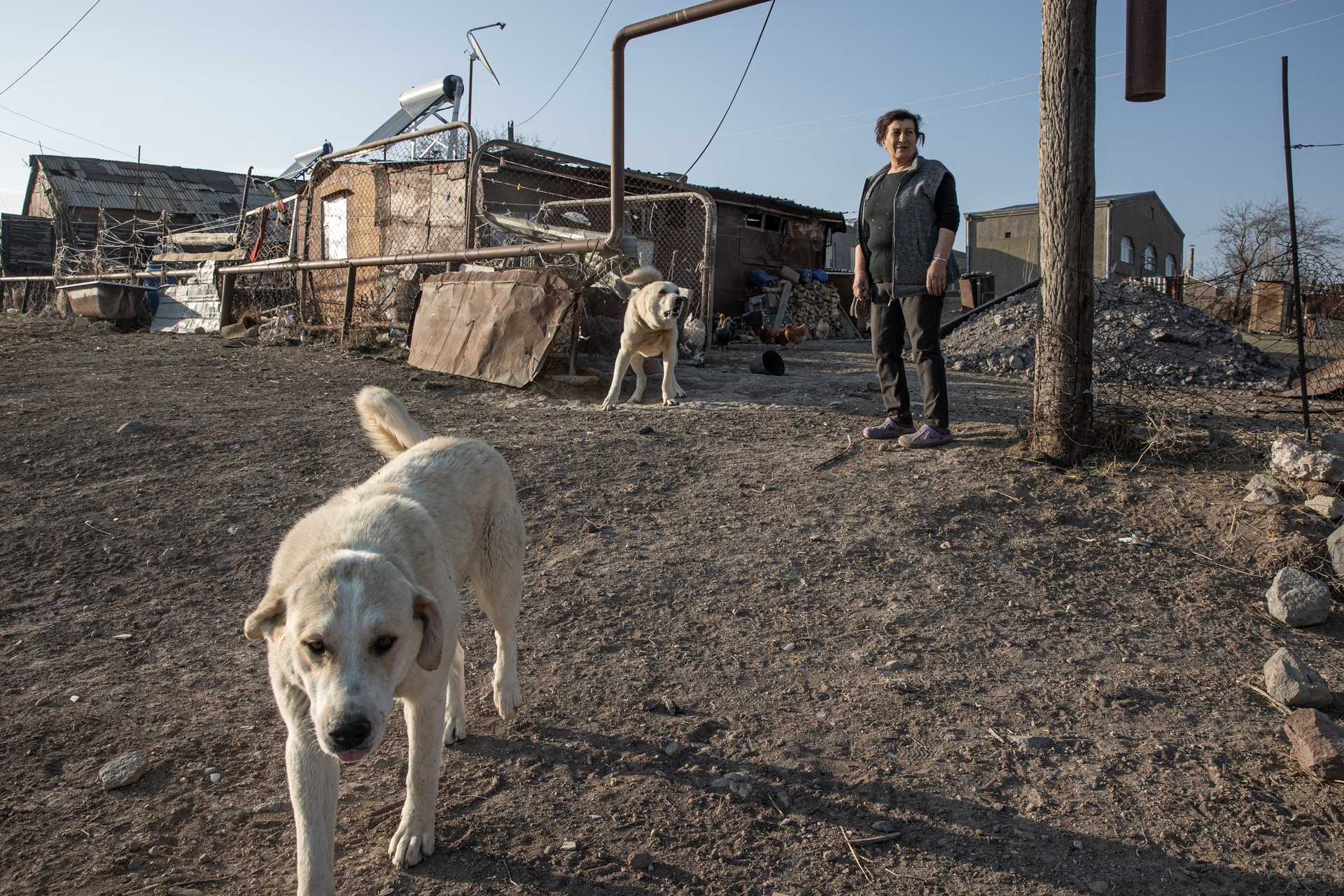
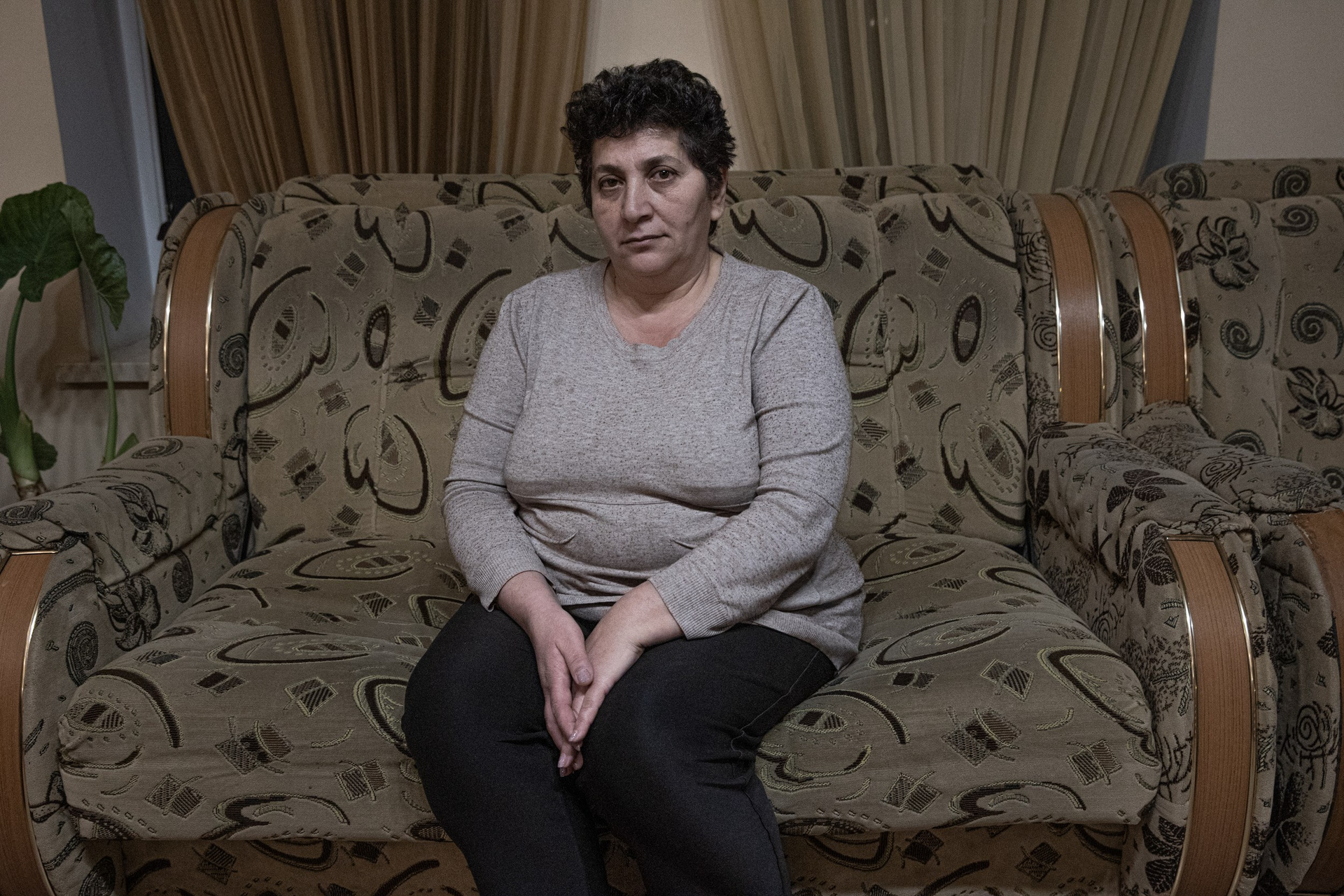
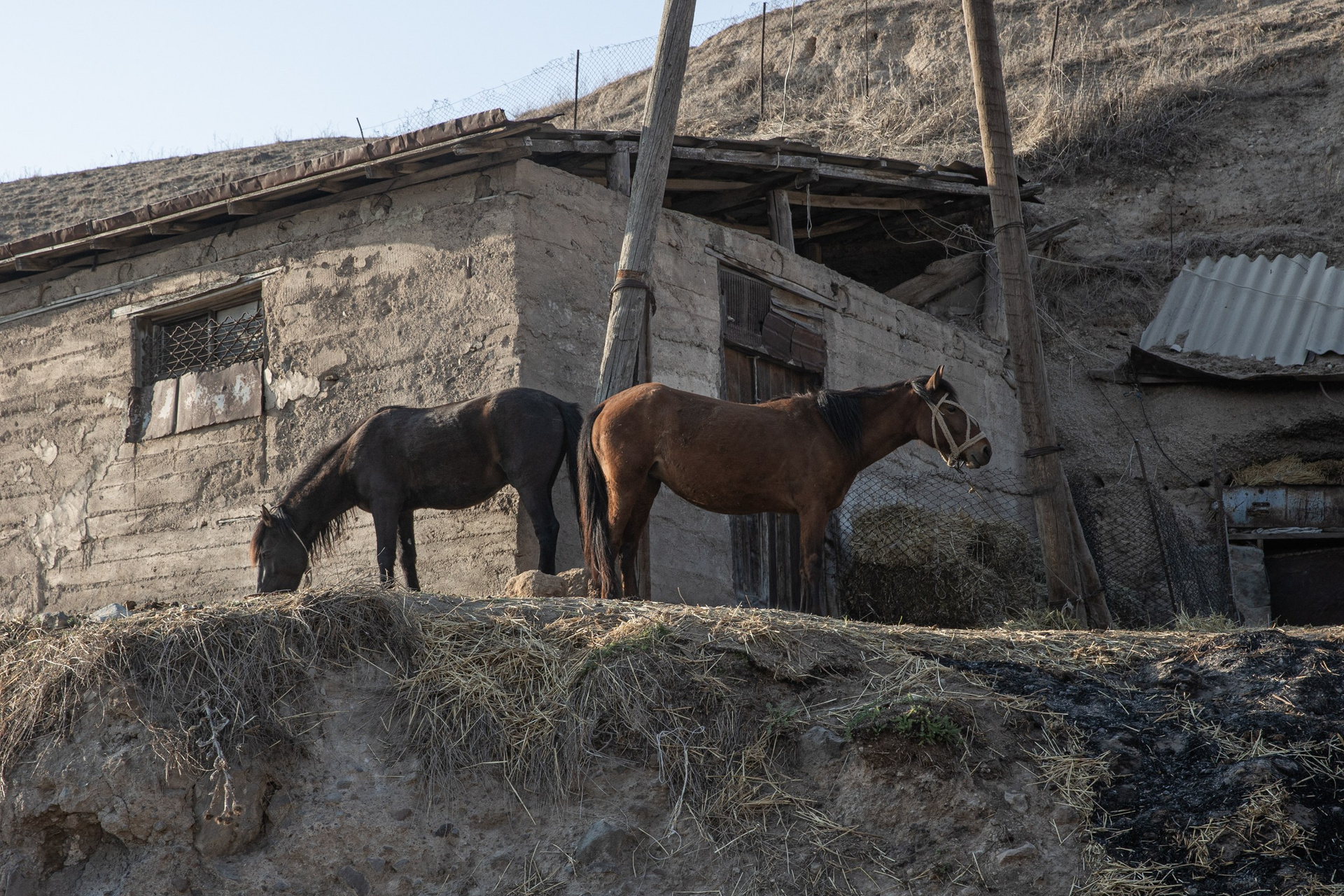
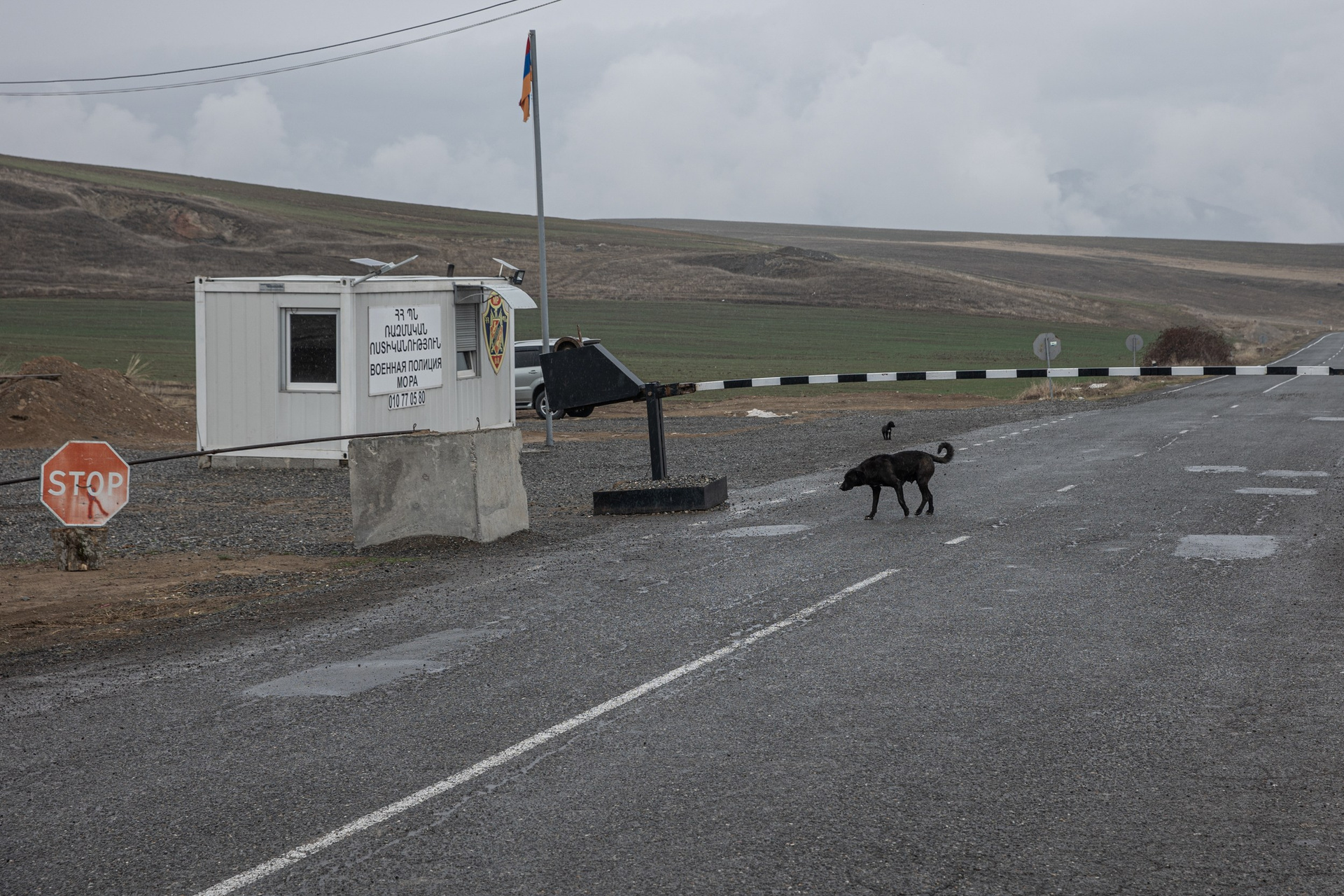
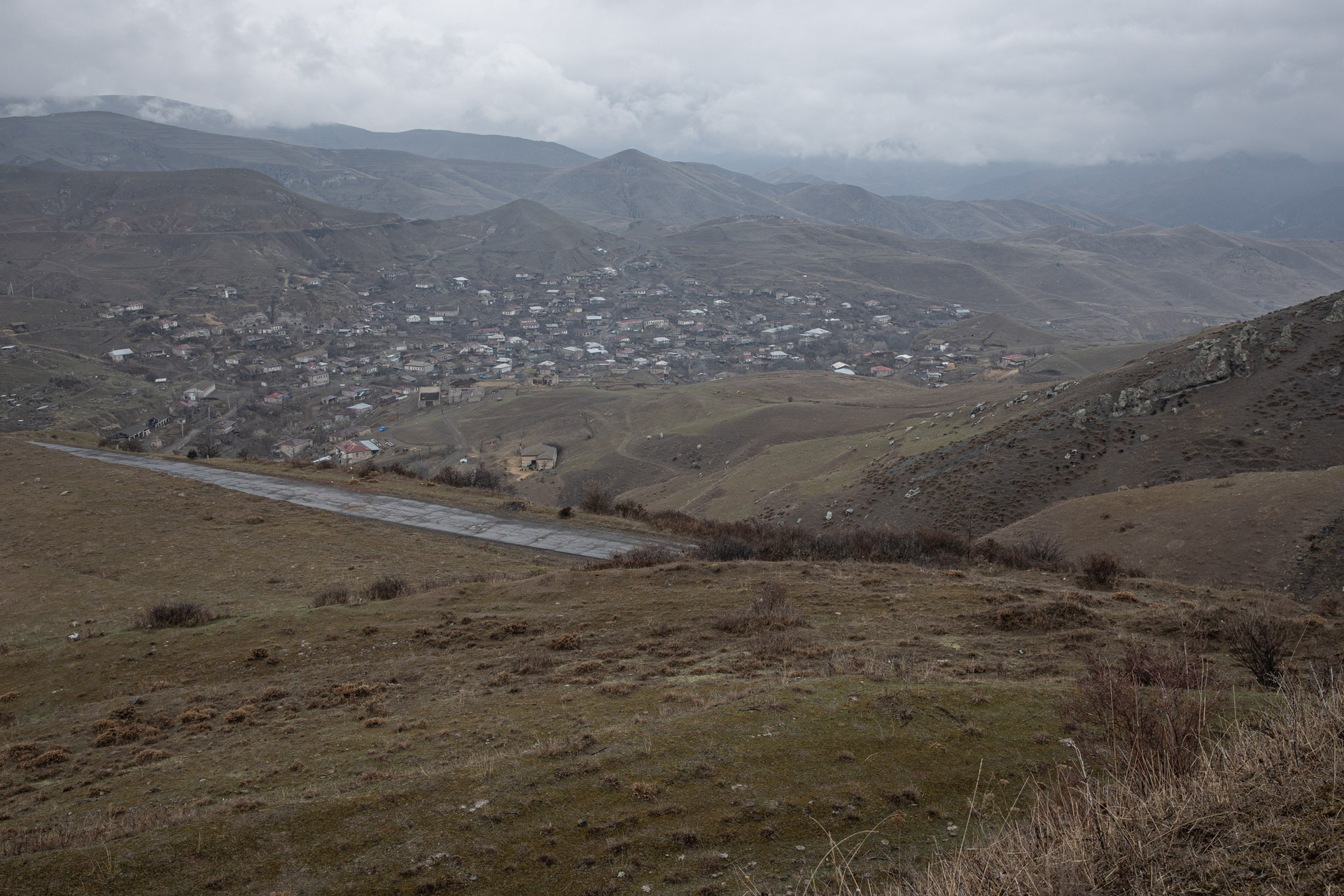
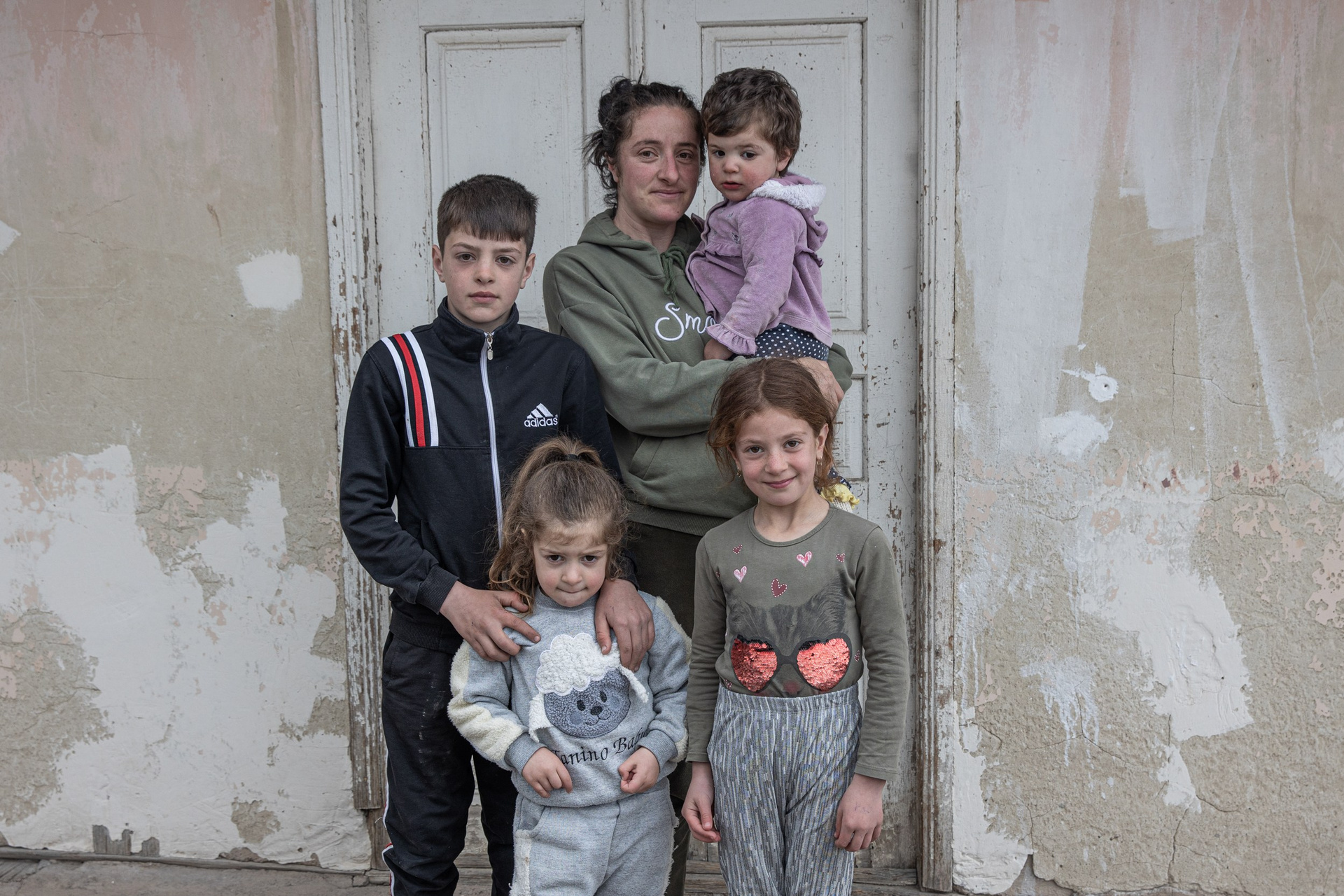
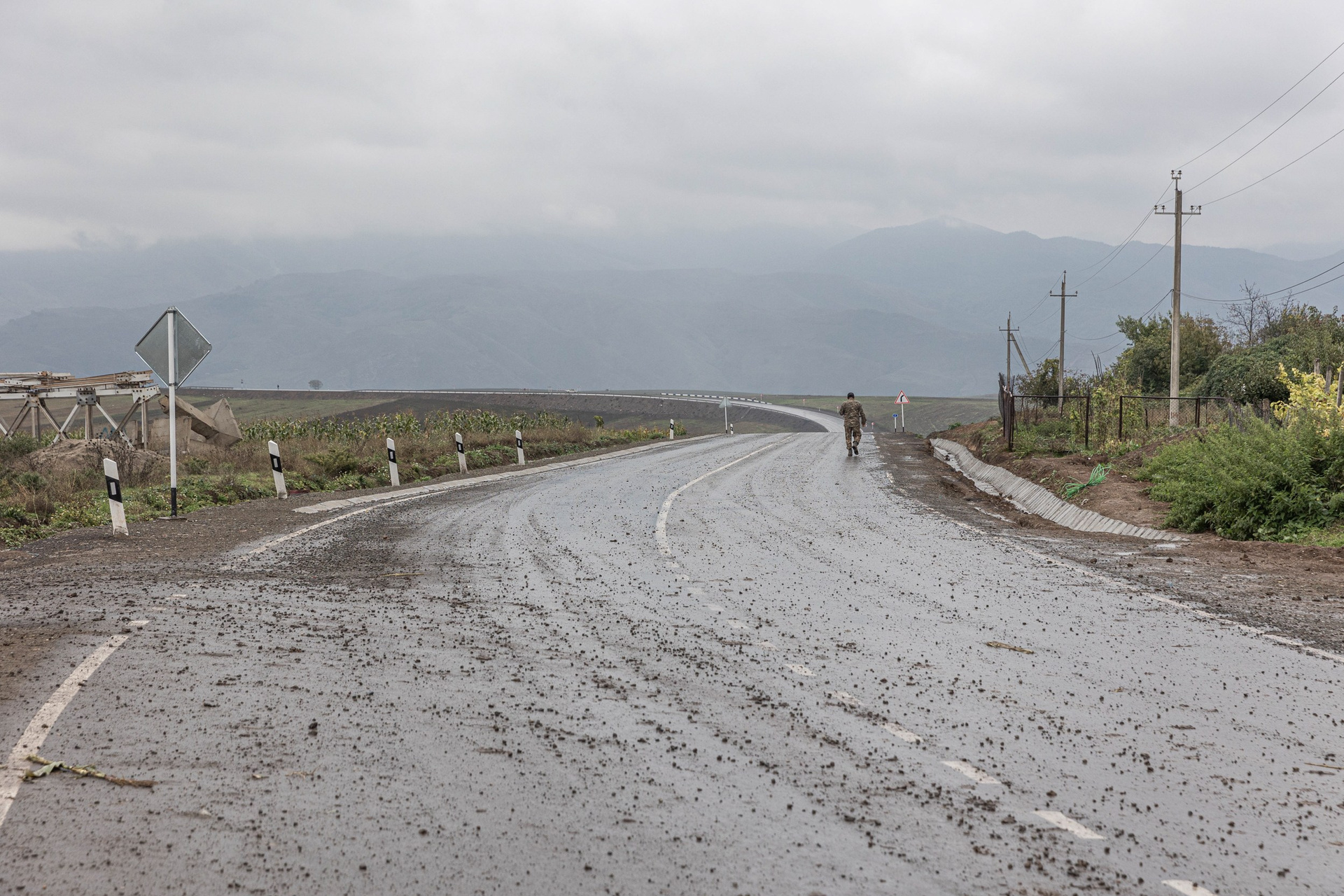
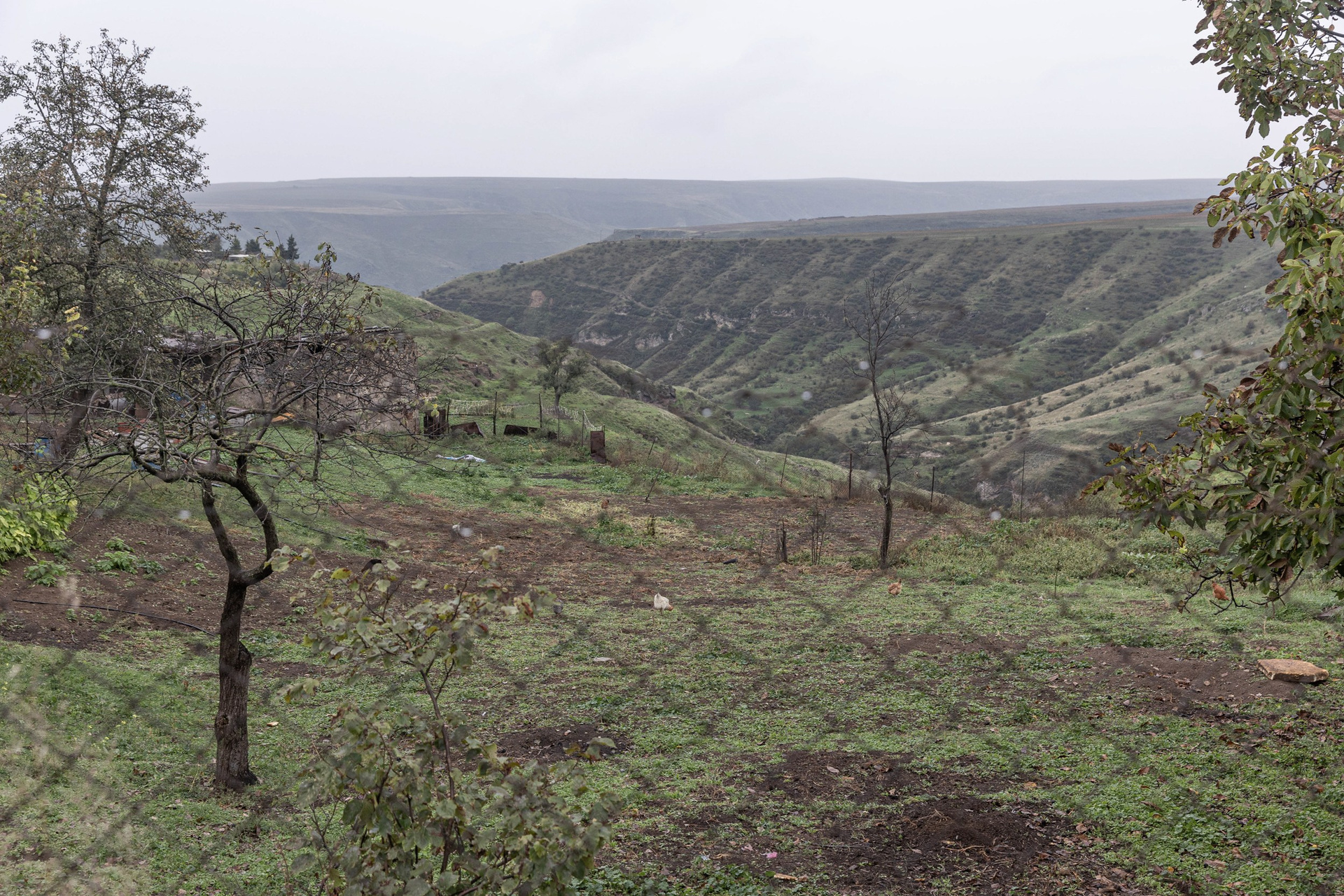
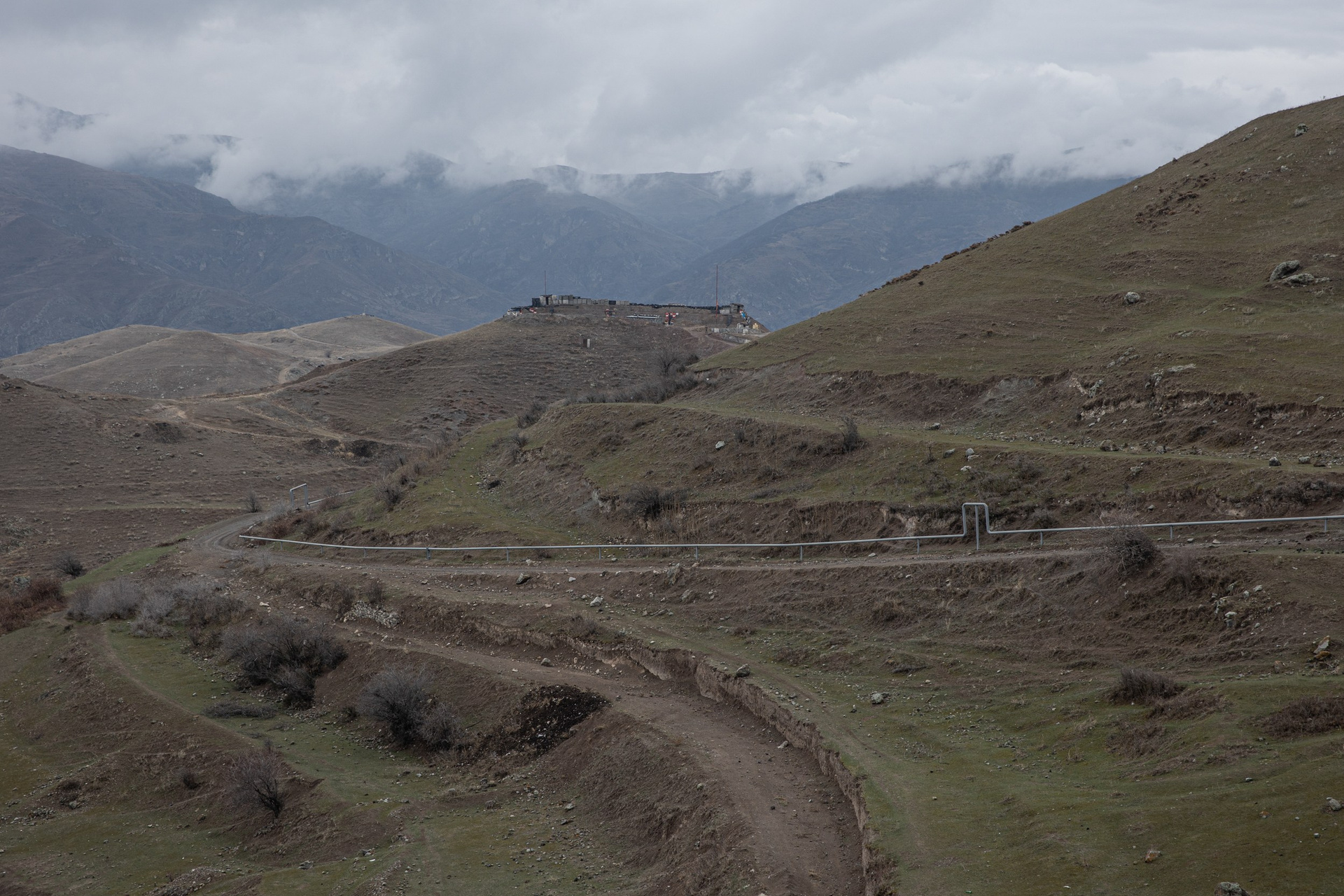
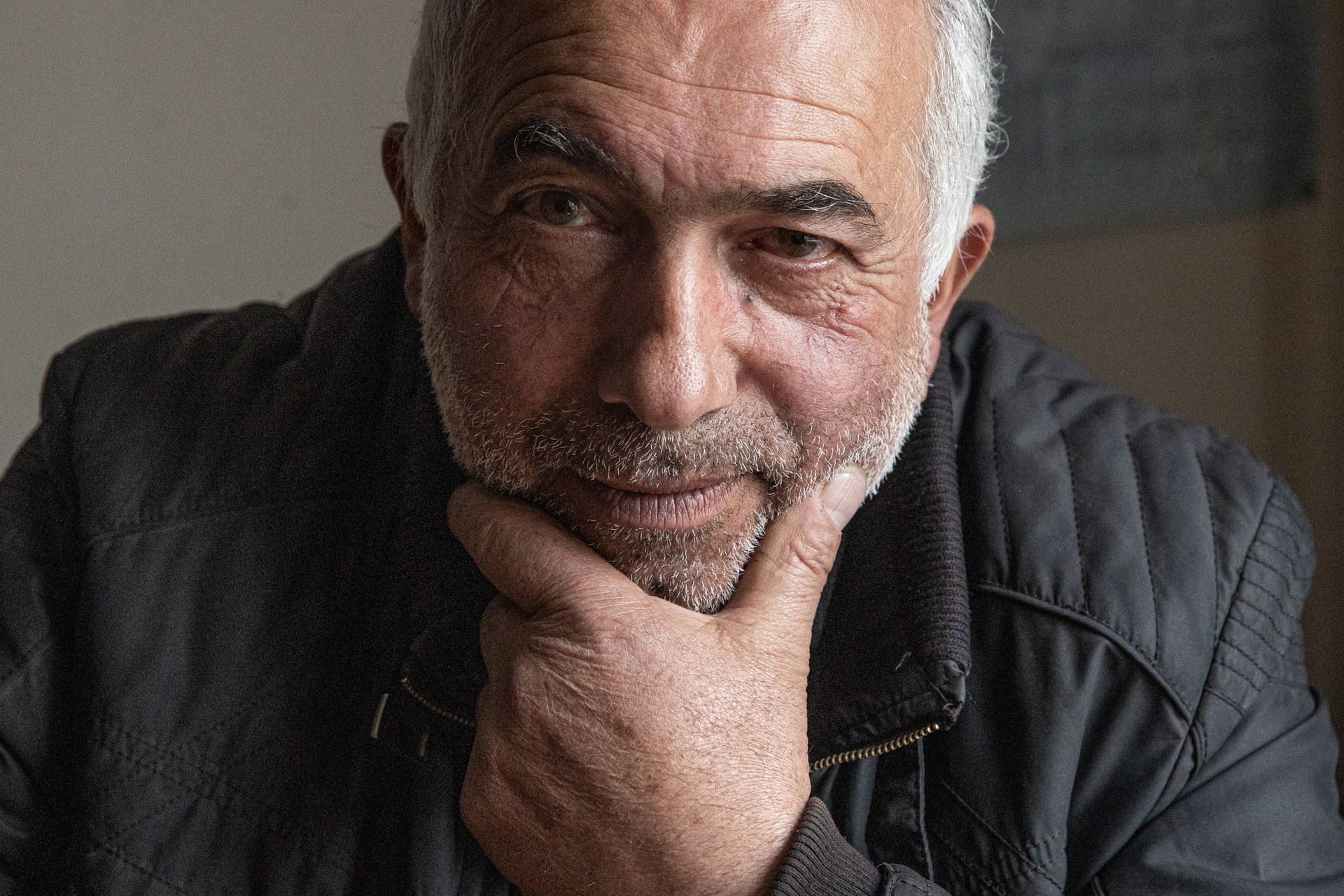
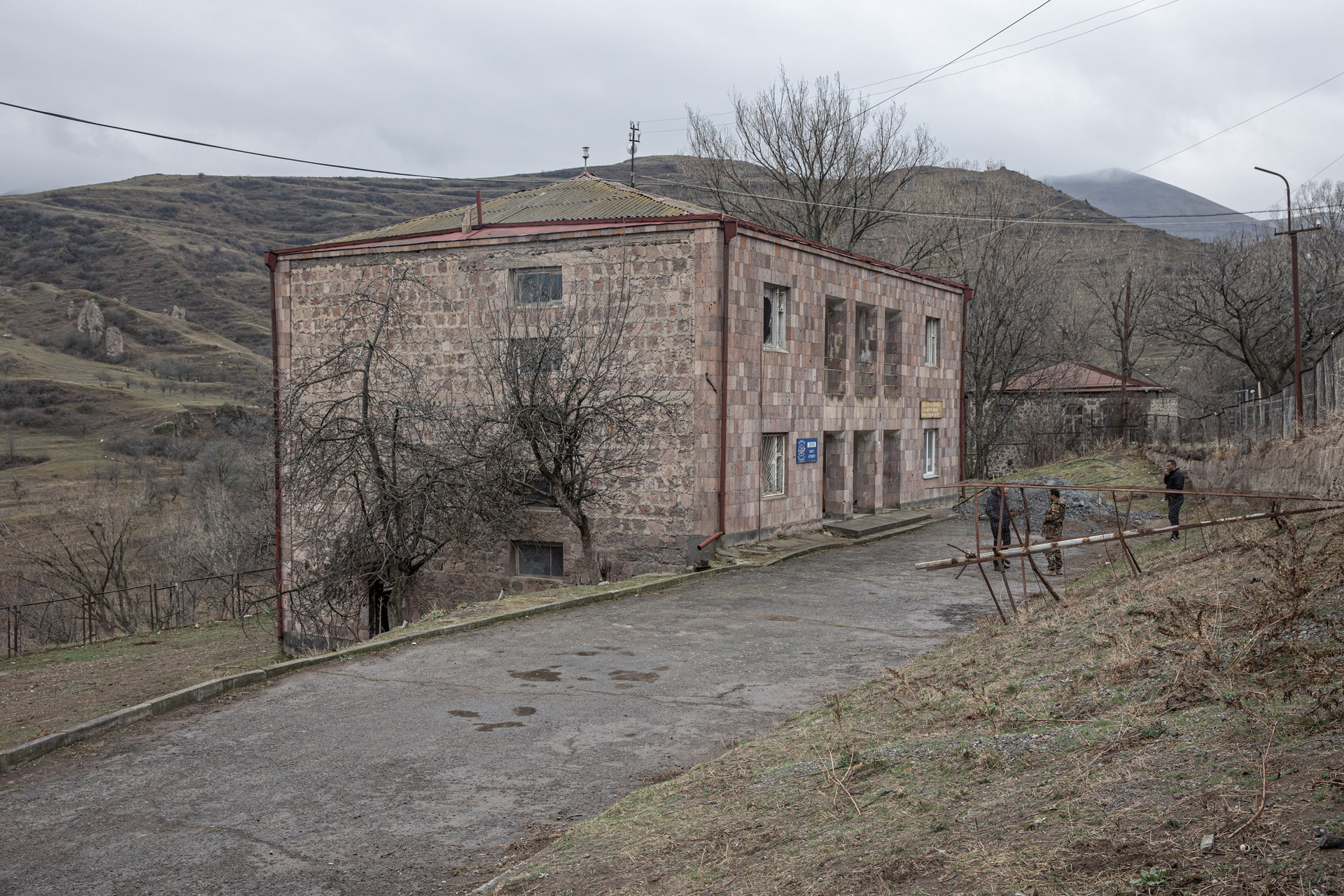
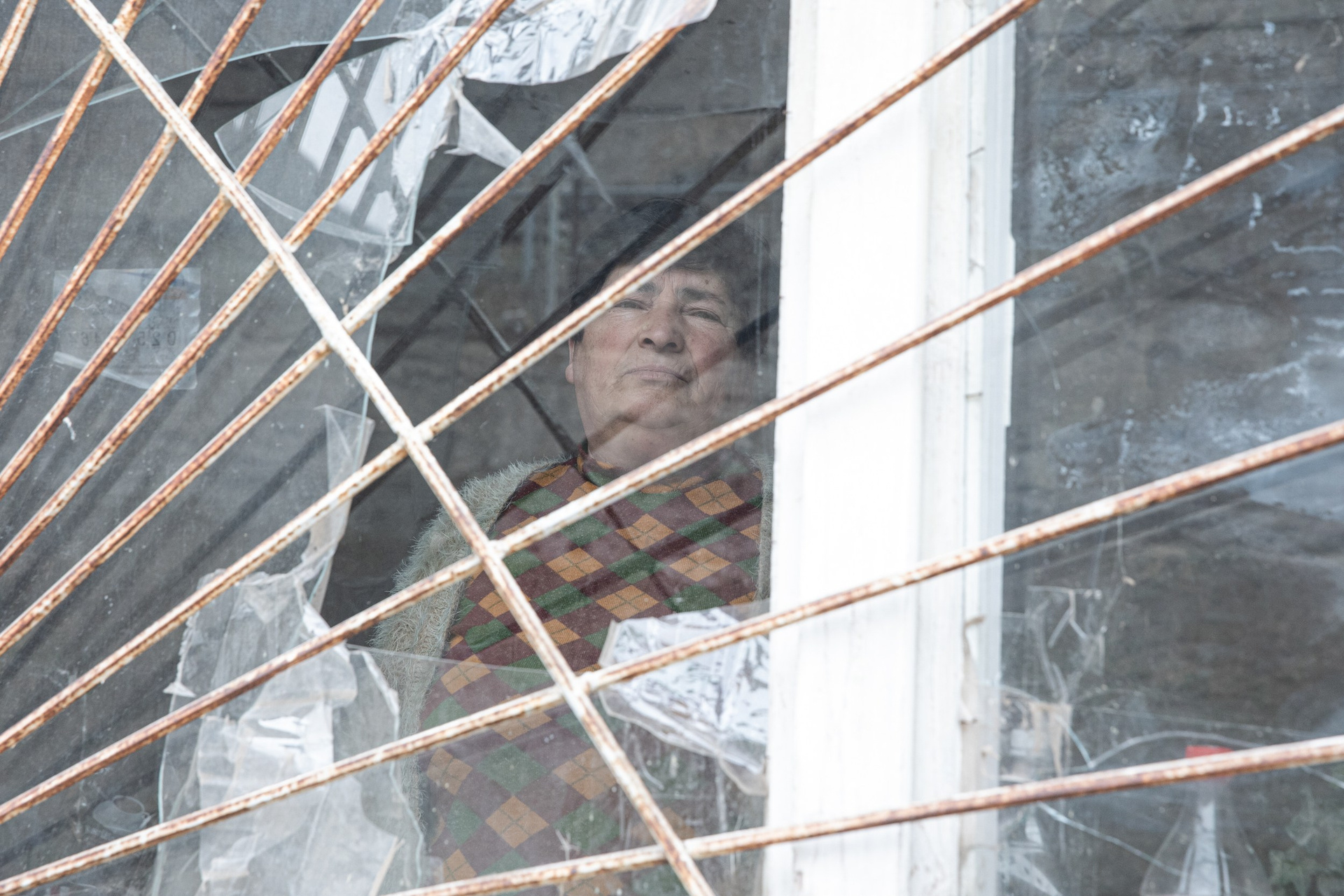
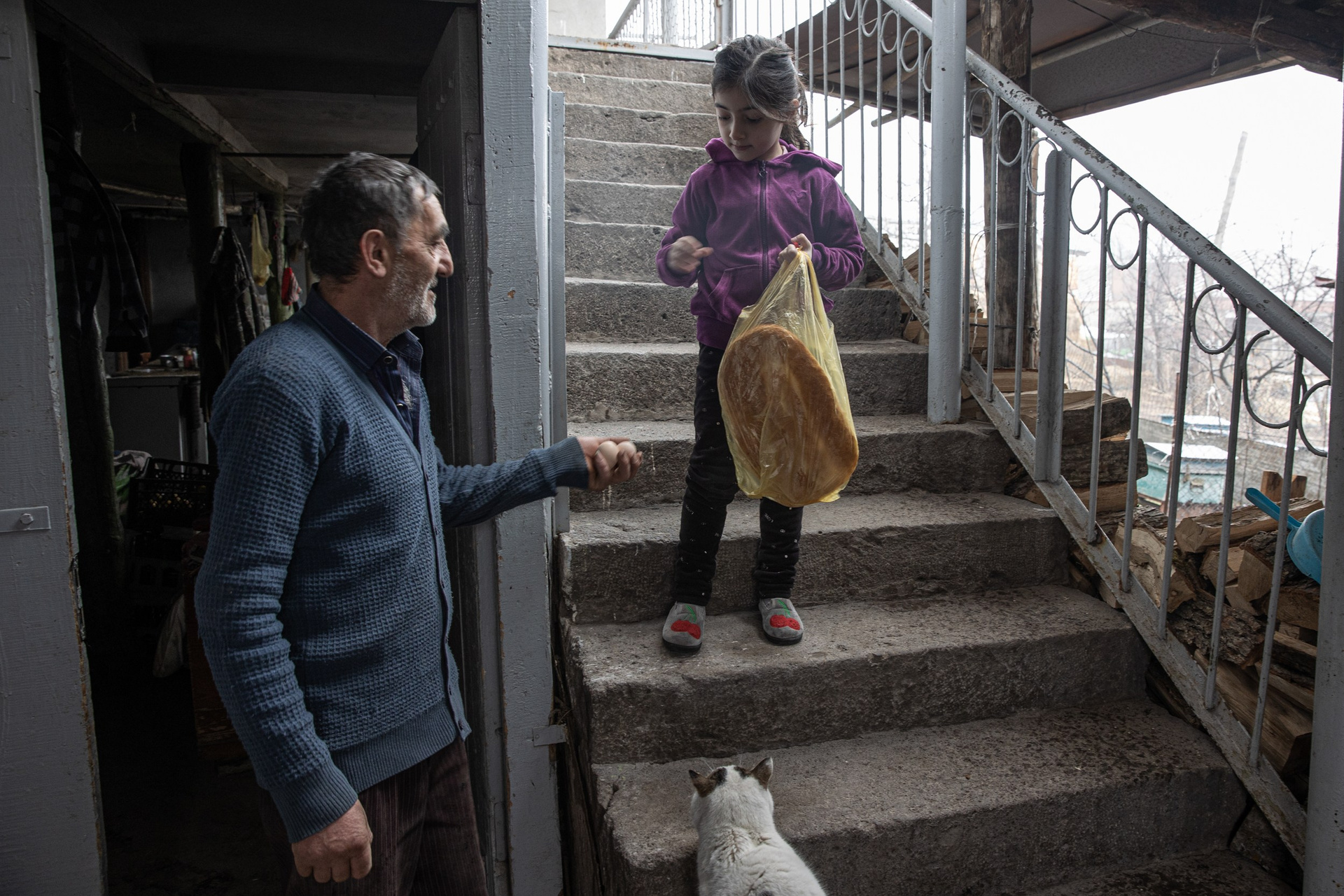
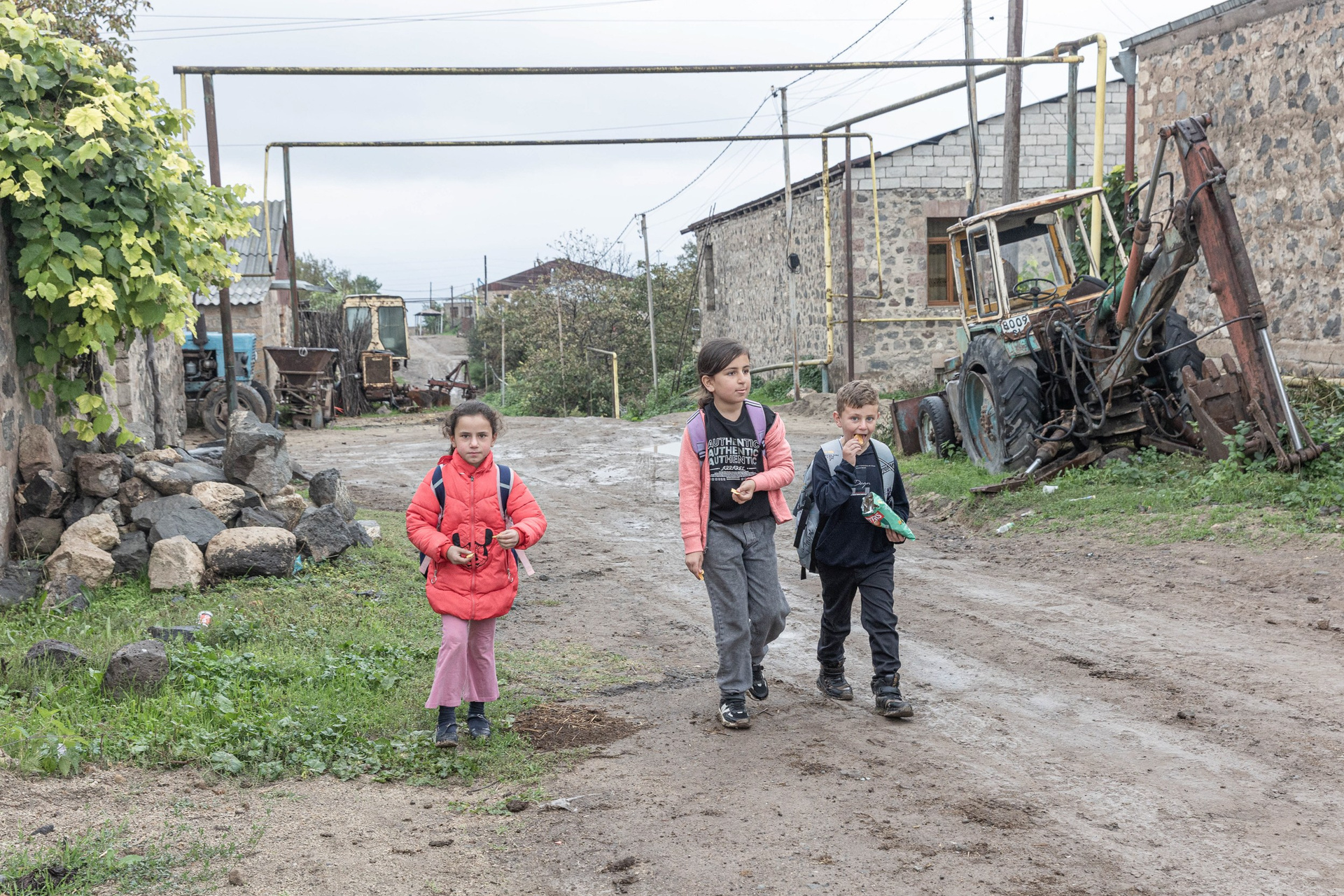
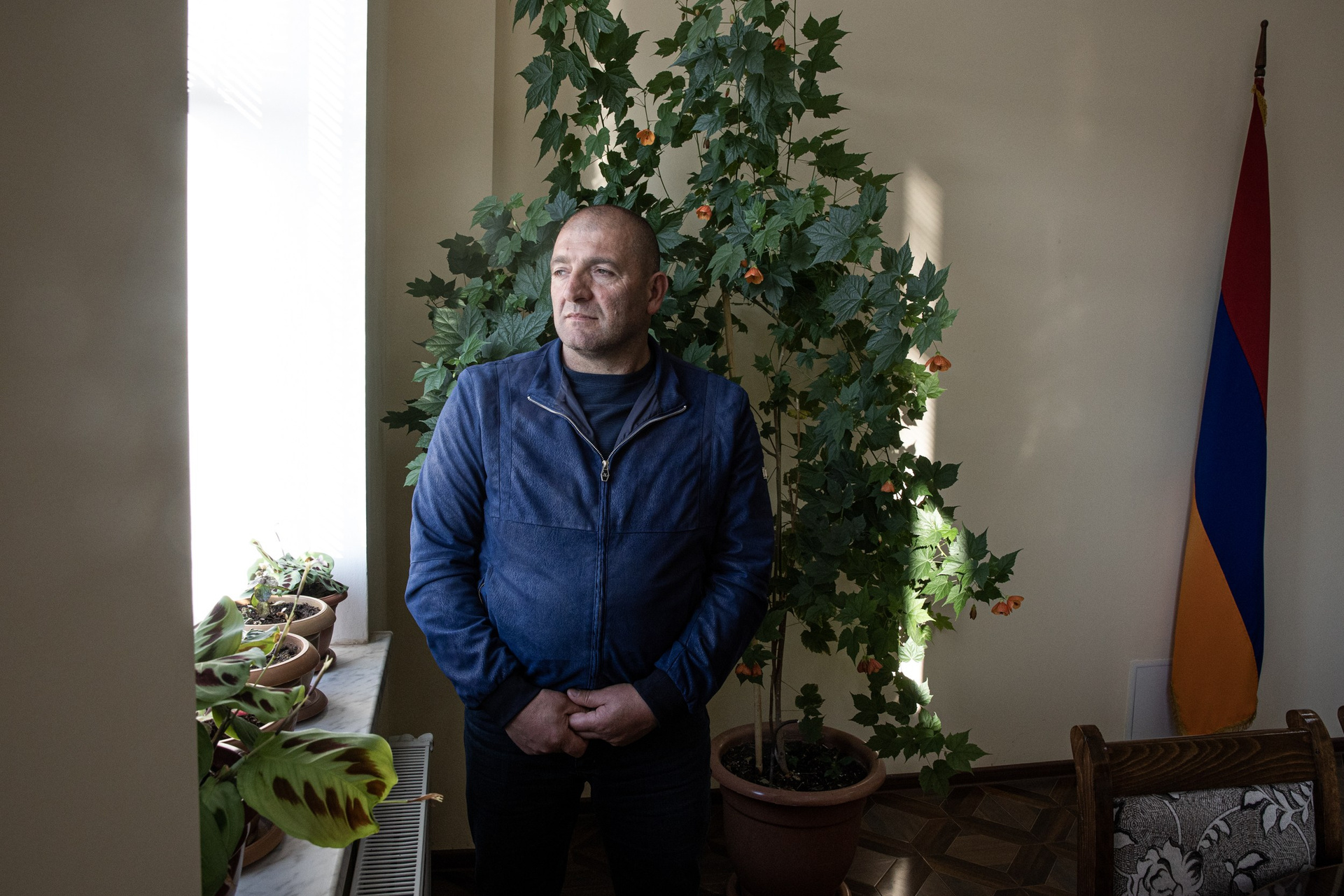
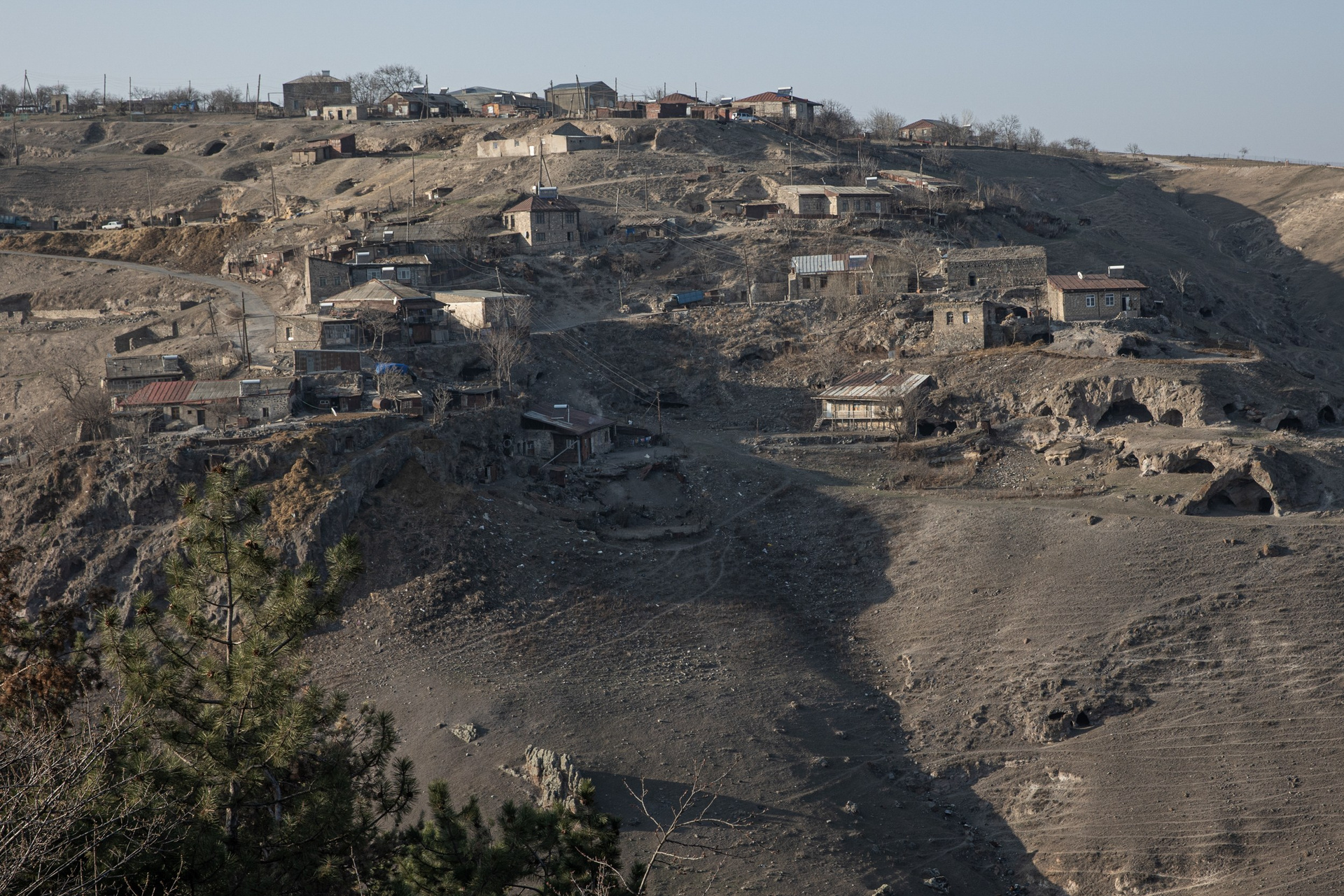
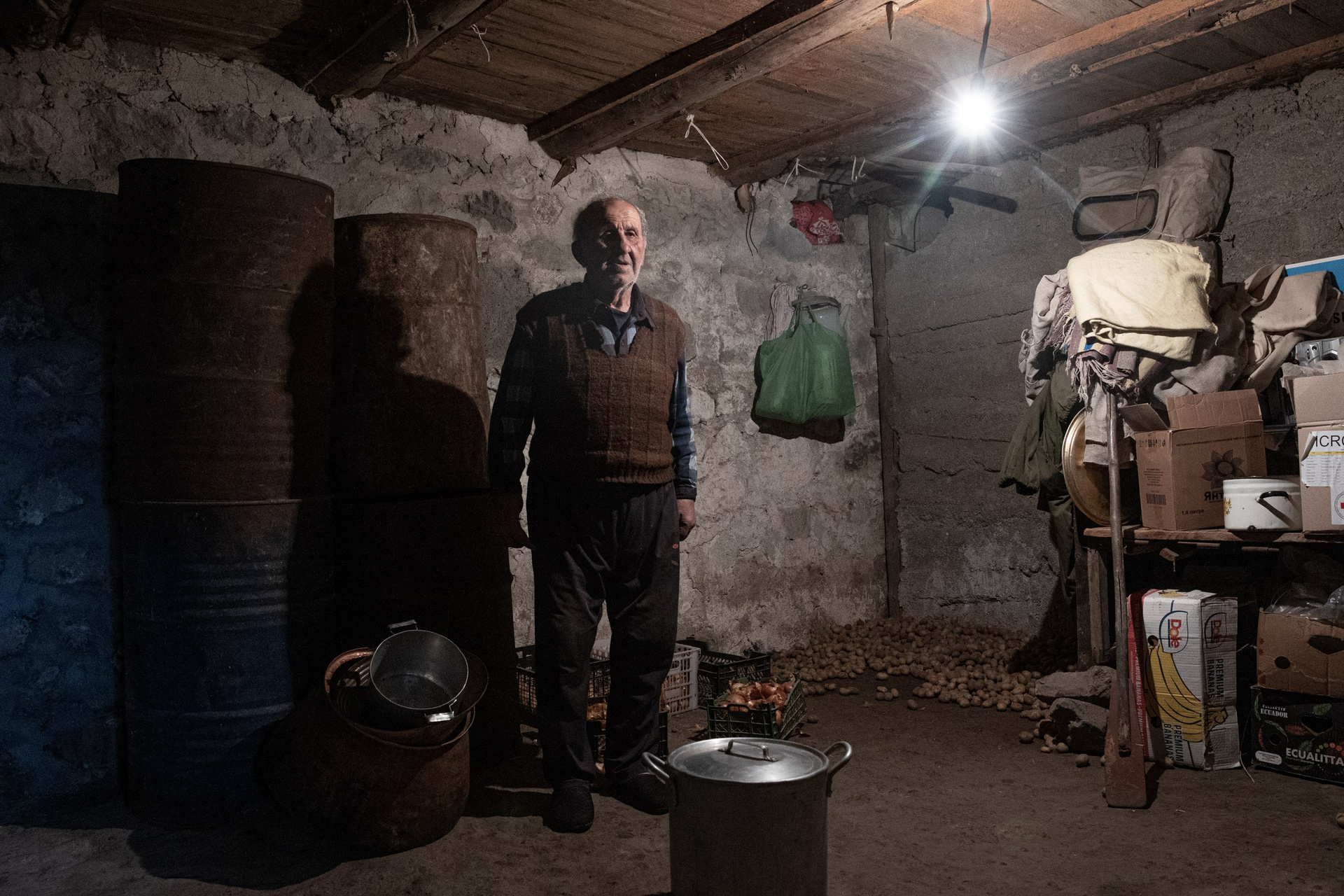
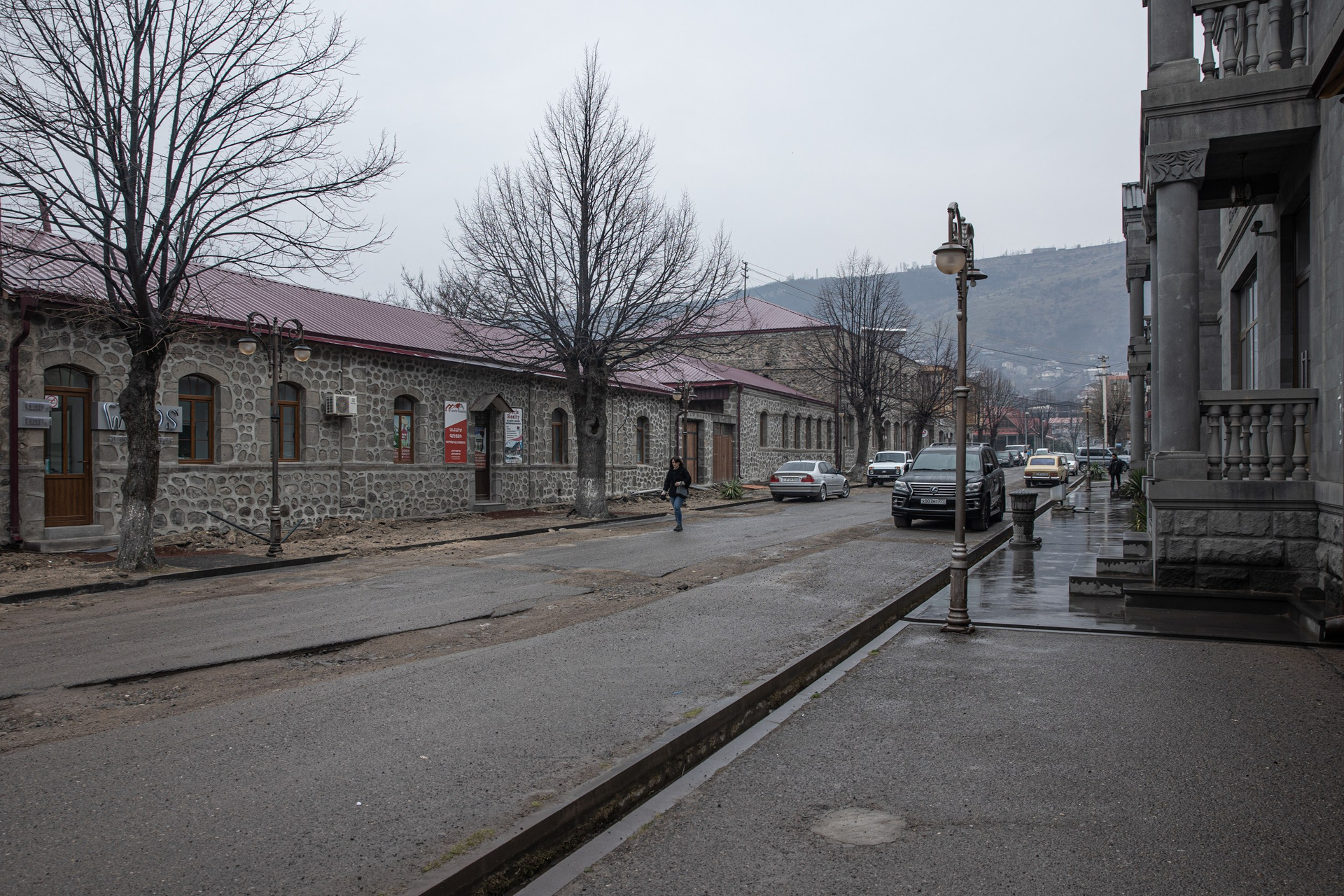
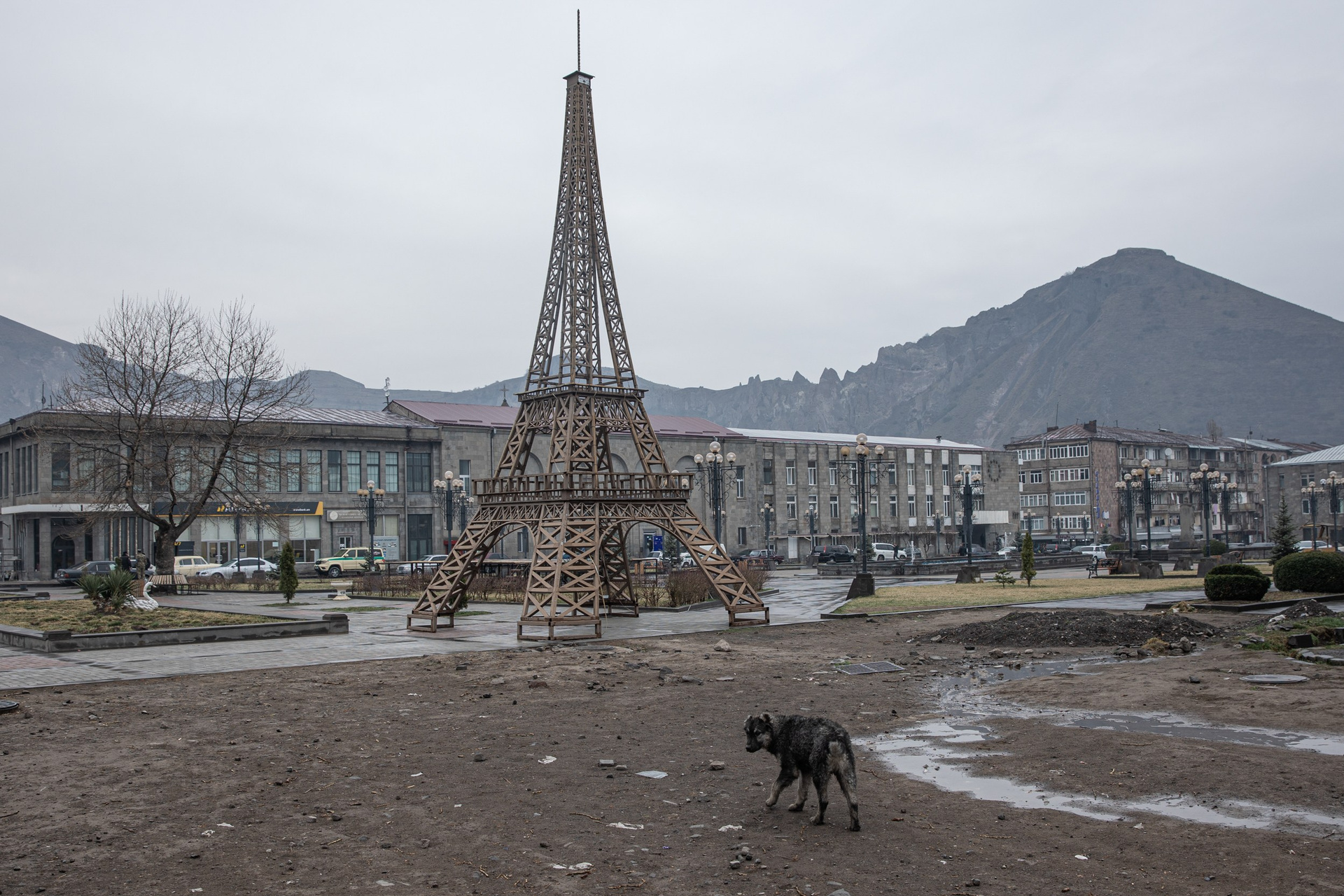
Throughout these years, the fighting also affected Armenia’s border regions. Shelling reached these areas from Azerbaijani territory, and there were casualties among both civilians and military personnel. For me, this is not a story about a war between two states, but about people — those who lived in a state of conflict for decades and ultimately lost their home.